Welcome to Geotech!
-1.png)


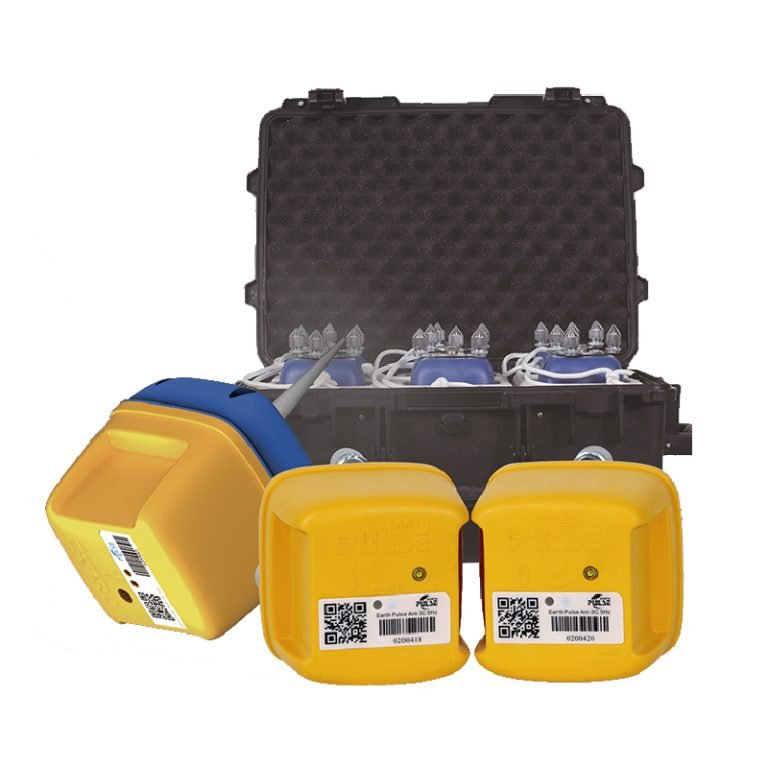
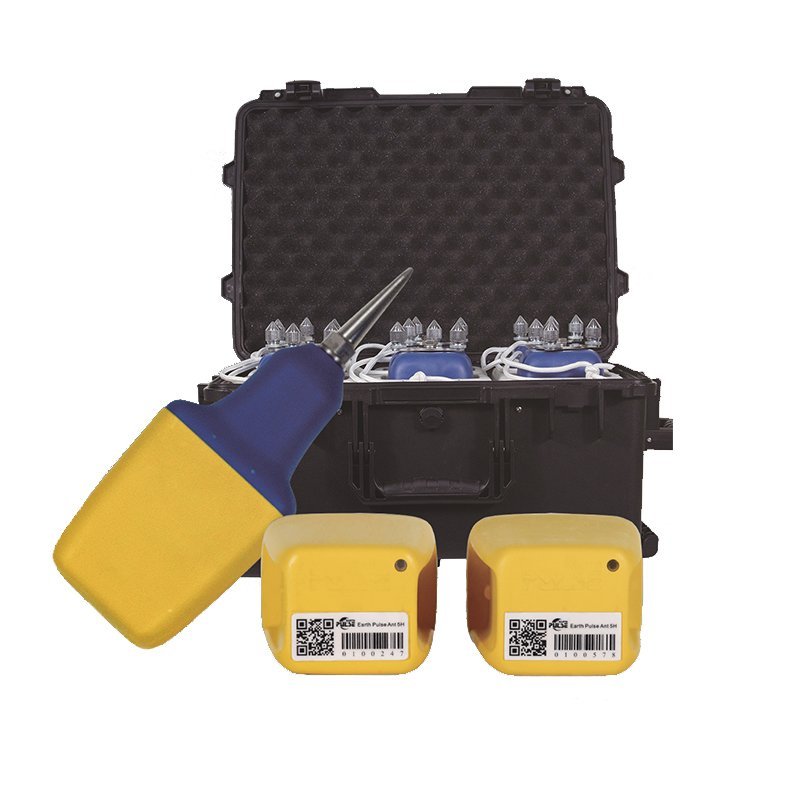
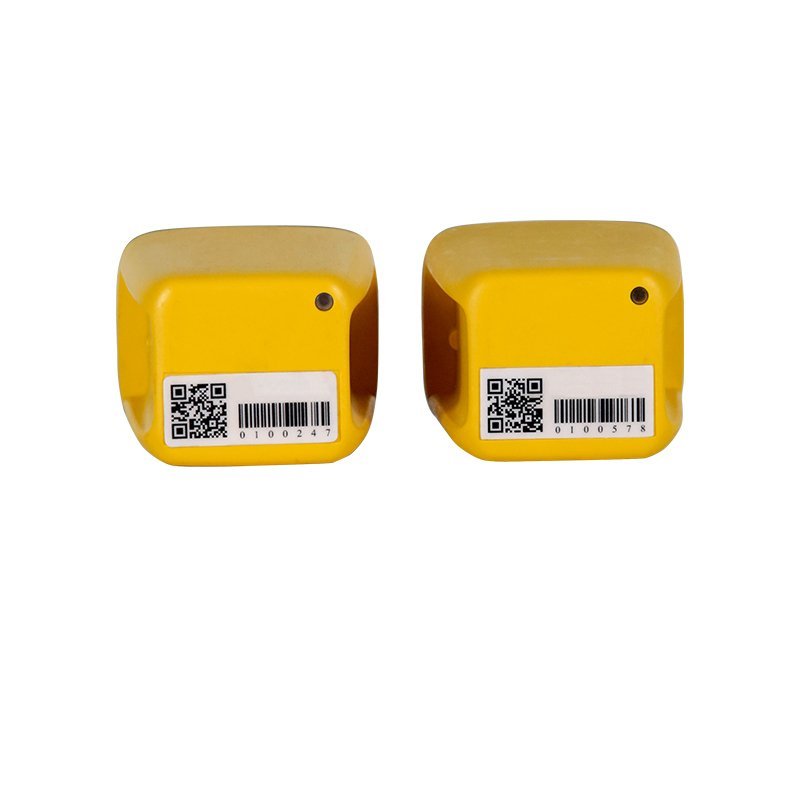
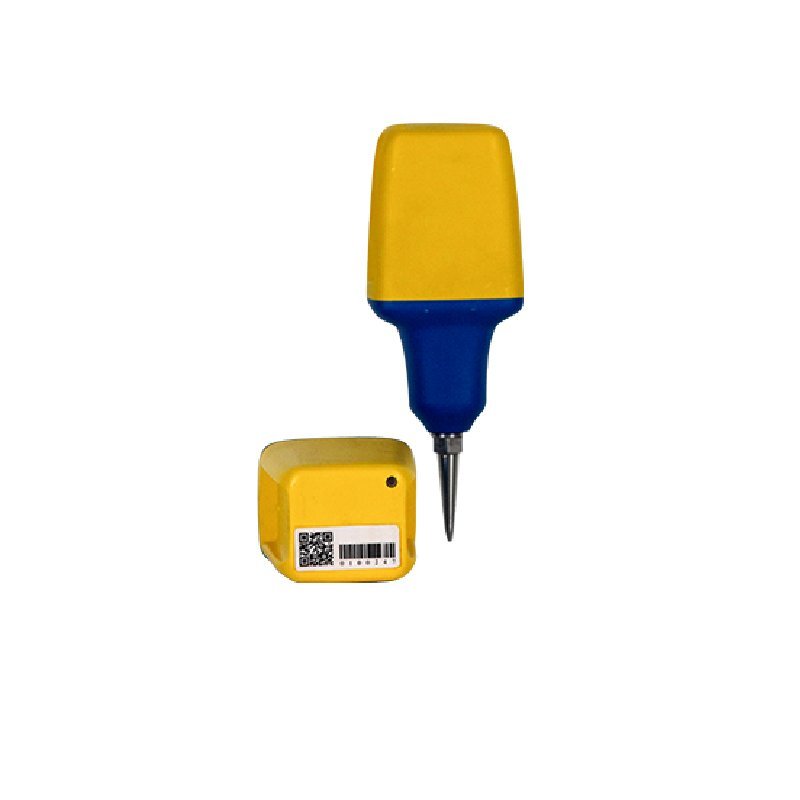
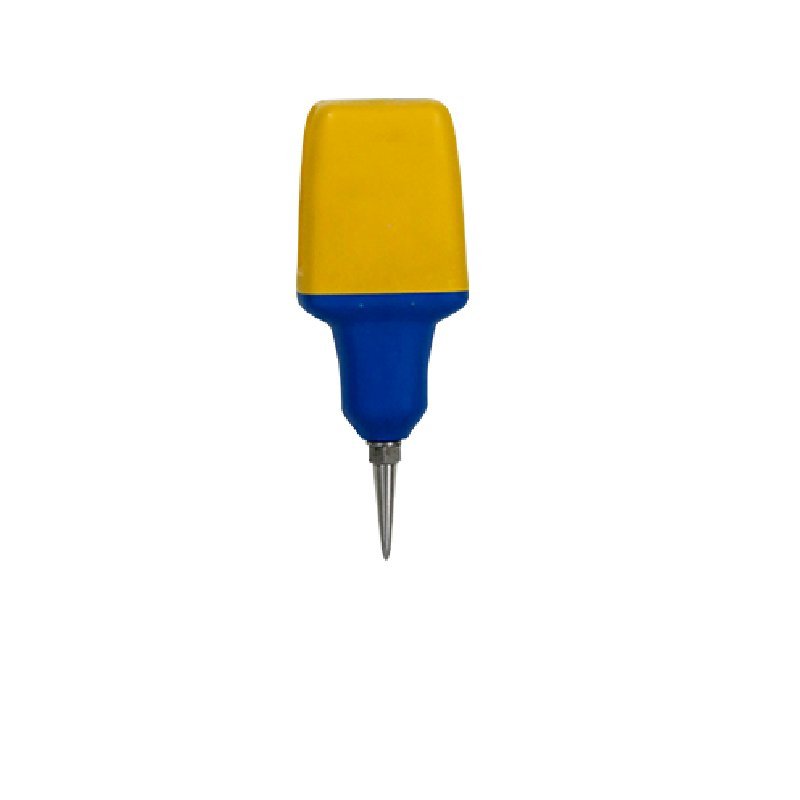
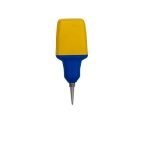
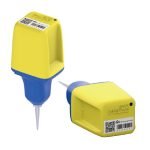
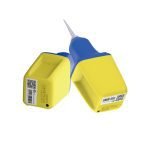
GE-ANT-1C Seismic nodal instrument


PRODUCT PARAMETERS
Description
 Abstract
 Abstract
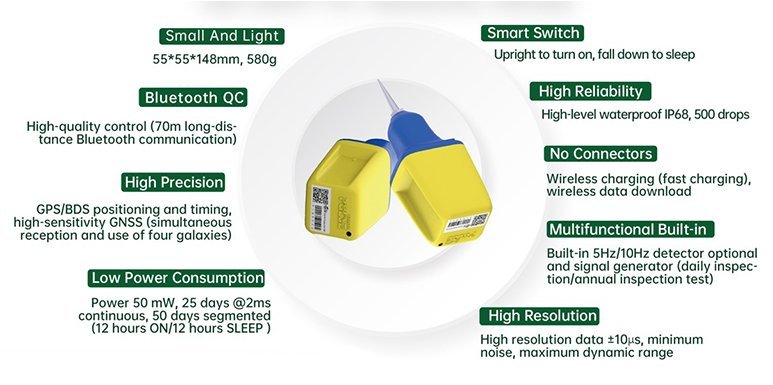
GE-ANT-1C is a lightweight, convenient and stable seismic nodal instrument. Aiming simpli-fy seismic exploration, improving construction efficiency and saving project cost. The prod-uct adopts advanced GPS / BDS synchronization algorithm, ultra-low power circuit design and wireless data download / charging technology. High product integration, long continu-ous working time, IP68 waterproof, great potential for intelligent / automatic construction, and adapt to various complex surfaces and rugged environments.
Applications
● Seismic regional safety evaluation
● Shallow geological survey
● Urban underground space exploration
● Geothermal exploration
● Coal goaf exploration
● Mineral/ natural gas exploration
Features
Specifications
(一)Physical Parameter
| Item | Parameters |
| Weight | 580g |
| Size | 55mm x 55mm x 148mm(Without Spike) |
| Working Temperature | -40℃ to +70℃ |
| Waterproof | IP68 |
| Working Time @ 25 ℃ | 25 days @2ms 50 days segmented (12 hours ON / 12 hours SLEEP) |
| Charging Time | 3.5 hours |
(二)Instrument Parameter
| Item | Parameters |
| Number of Channels | 1 |
| Sampling Rate | 0.25ms,0.5ms,1ms,2ms,4ms |
| Preamplififier Gain | 0-24dB(6dB steps) |
| Low Cut Filter | 1Hz,DC removed or Disable |
| Anti Aliasing Filter | 206.5Hz@2ms(82.6% Nyquist frequency) optional maximum phase or minimum phase |
| 0dB @ Max Input | 2.5VpeaK |
| Equivalent Input Noise @ 12dB | 0.5uV@0.25ms / 0.2uV@2ms / 0.14uV@4ms |
| Instantaneous Dynamic Range @ 12dB | 118.9dB@0.25ms / 126.8dB@2ms / 130dB @4ms |
| Total Dynamic Range | 150dB |
| Time Accuracy | ±10μs |
| Internal Storage | Extended from 8GB to 32GB |
| Built in GPS | GPS, BDS, GLONASS,GNSS(Concurrent reception) are used for timing and positioning |
(三)Geophone Parameter
| Item | Parameters-1 | Parameters-2 |
| Optional Geophone | 5Hz | 10Hz |
| Natural Frequency(Hz) | 5±7.5% | 10±3.5% |
| DC Resistance(Ω) | 1850±5% | 1800±3.5% |
| Sensitivity(V/m/s) | 80±5% | 85.8±3.5% |
| Damping | 0.6±7.5% | 0.48~0.54 |
| Distortion | ≦0.1% | ≦0.1% |
| Aliasing(Hz) | ≧170 | ≧240 |
Software System
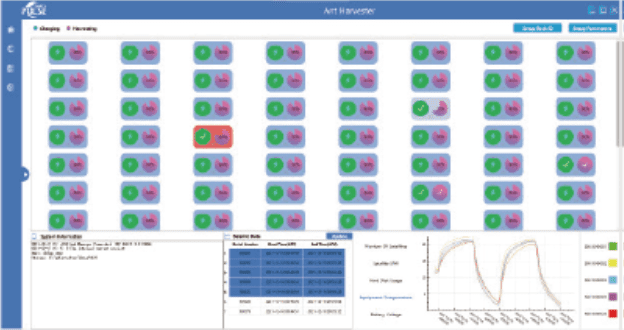
(一)Data-Harvest & Charging Center
(二)Ant-Data Manager

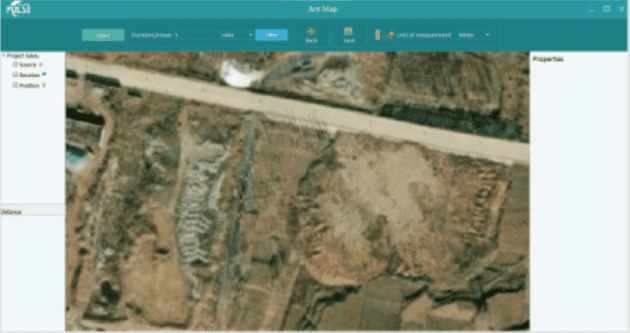
(三)Ant Map
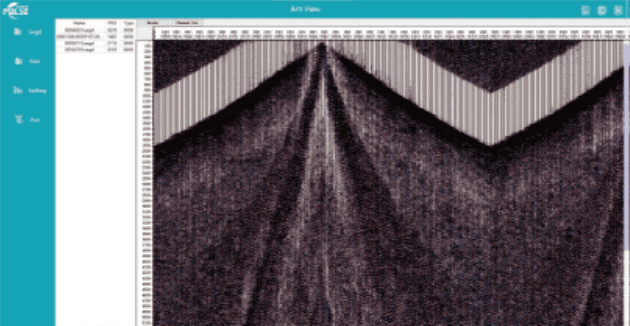
(四)Ant View
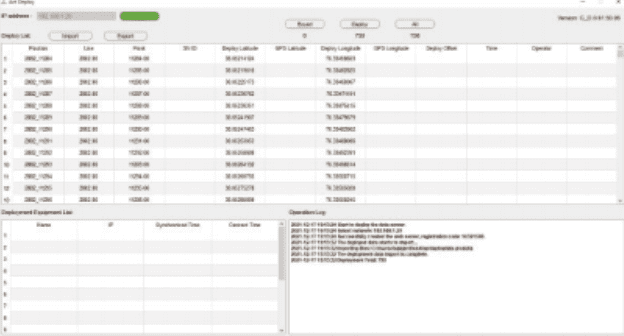
(五)Ant Deploy
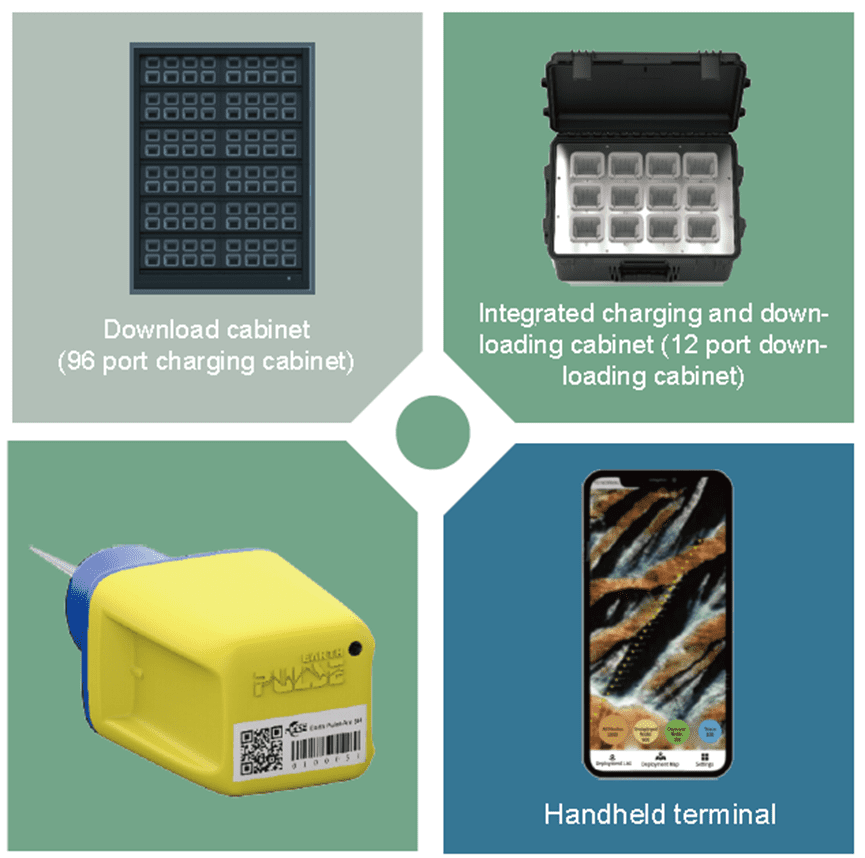
Auxiliary Equipment
FAQ
In gravity exploration (SI), what is the unit of gravity? How to convert gravity units between SI and CGS?
What are gravitational field and gravitational potential?
What is the normal gravity field of the earth? What are the rules for the change of the normal gravity field with latitude and altitude?
What is the relationship between gravitational field strength and gravitational acceleration?
What is gravity exploration?