Welcome to Geotech!



Services
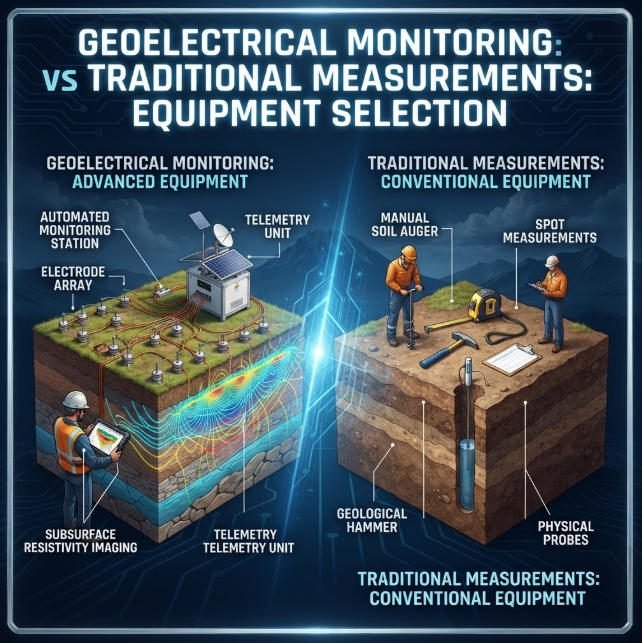
Geoelectrical Monitoring vs Traditional Measurements: Equipment Selection
Overview:Geoelectrical Monitoring provides spatially distributed information about subsurface electrical changes, while traditional measurements track specific parameters at selected locations. This guide compares both approaches, explains how Geoelectrical Monitoring complements conventional instrumentation, and explores practical strategies for tailings dams, embankments, groundwater…
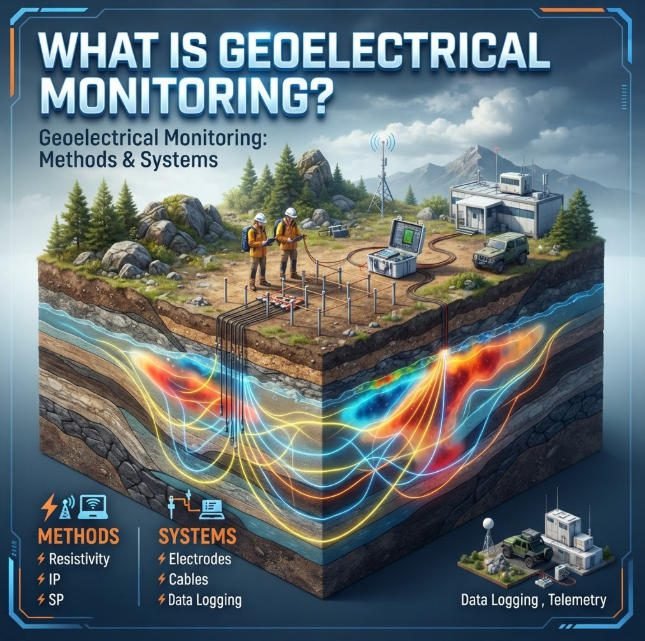
What Is Geoelectrical Monitoring?丨Geoelectrical Monitoring: Methods & Systems
Overview:Geoelectrical Monitoring tracks changes in subsurface electrical properties through repeated electrical measurements. It helps engineers investigate moisture movement, groundwater dynamics, slope conditions, and environmental changes. This guide explains how Geoelectrical Monitoring works, how geoelectrical investigations support long-term site assessment, and…
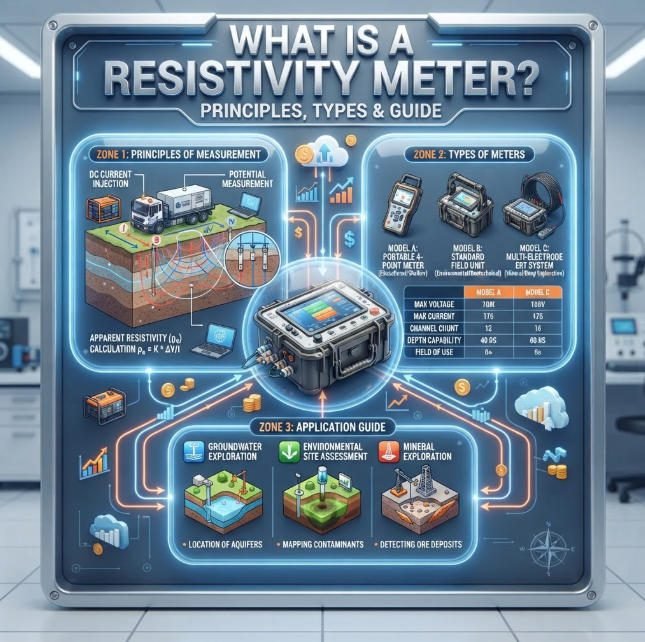
Resistivity Meters: Principles, Types & Selection Guide
Overview:A Resistivity Meter is a geophysical instrument used to measure the electrical response of soil, rock, and other materials. By injecting a controlled current and measuring the resulting voltage, it calculates apparent resistivity to help identify subsurface variations. Understanding how…
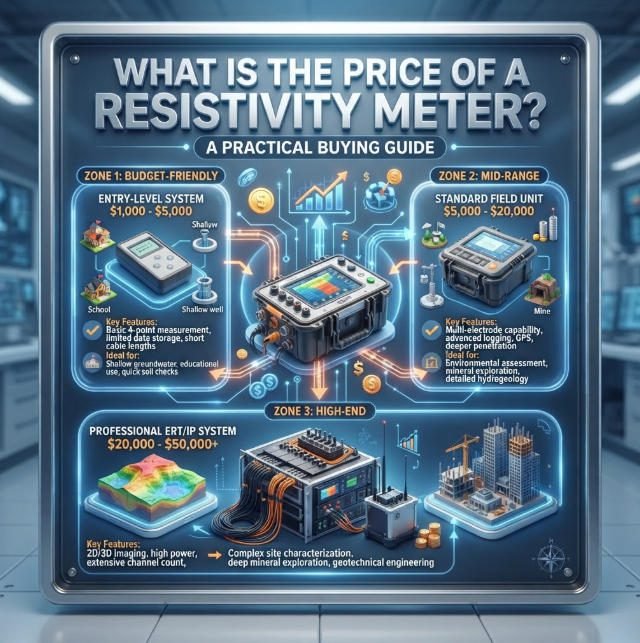
What Is the Price of a Resistivity Meter? A Practical Buying Guide
Overview:The Resistivity Meter Price depends on the measurement method, channel capacity, output capability, and included accessories. A basic instrument may serve simple measurements, while professional ERT and IP systems require more advanced acquisition and processing capabilities. This guide explains the…
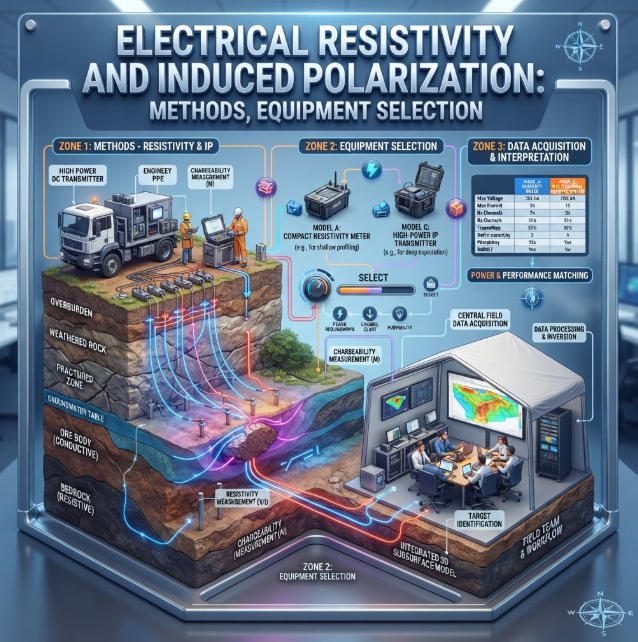
Electrical Resistivity and Induced Polarization: Methods, Equipment Selection
Overview:Electrical Resistivity and Induced Polarization are core active electrical geophysical techniques for subsurface characterization. This guide explains Electrical Resistivity survey principles and evaluates how Induced Polarization data reduces interpretive ambiguity across geotechnical and exploration Electrical Resistivity product applications. Ⅰ. What…