Welcome to Geotech!



Magnetometer: Breakthroughs in Quantum Sensing Technology
TIPS:Magnetometer technology is undergoing a quantum revolution, transforming quantum sensing capabilities in geophysical exploration. This article explores how quantum-enhanced magnetometer systems are revolutionizing quantum sensing applications from archaeological surveys to mineral exploration.
I. Quantum Sensing Revolution in Magnetic Field Measurement
The magnetometer industry is experiencing a revolutionary transformation through quantum sensing technologies. Traditional proton magnetometer devices have served geophysical exploration well for decades. However, the emergence of quantum-enhanced magnetometer systems represents a paradigm shift in measurement capabilities. These advancements are particularly significant for proton precession magnetometer applications where precision matters most.
II. Quantum Enhancement Principles
Quantum-enhanced magnetometer technology leverages fundamental quantum mechanics principles. Unlike conventional magnetometer proton devices, quantum sensors utilize atomic-scale phenomena. They achieve unprecedented sensitivity in ultra-low-field magnetic measurement. This breakthrough enables detection of extremely weak magnetic signals previously undetectable.
The core innovation involves quantum entanglement applications. This allows simultaneous measurement of multiple magnetic field parameters. Quantum sensors outperform traditional survey magnetometer equipment in several key aspects. They offer higher accuracy, better stability, and superior noise rejection capabilities.
III. Proton Magnetometer Evolution
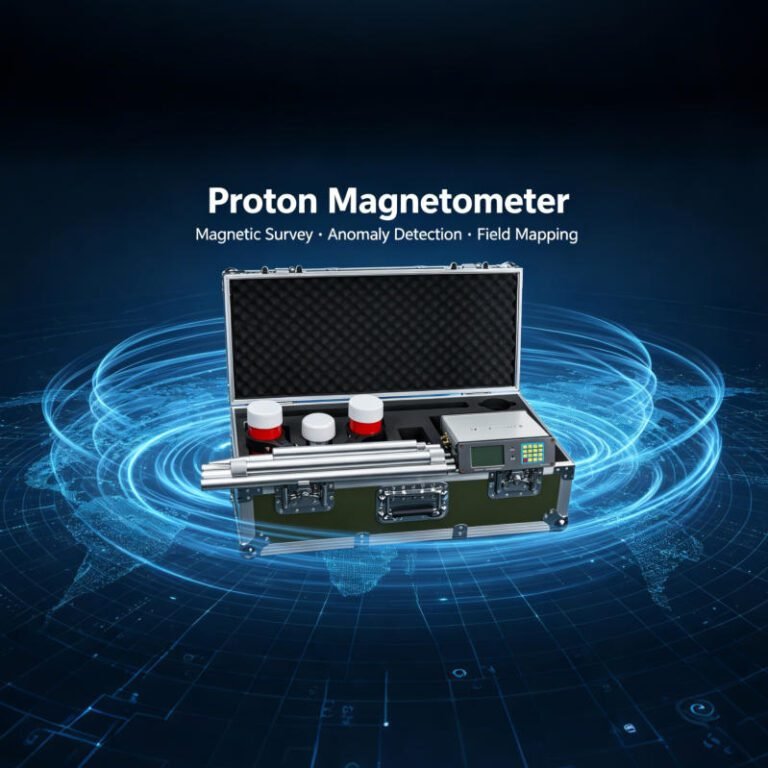
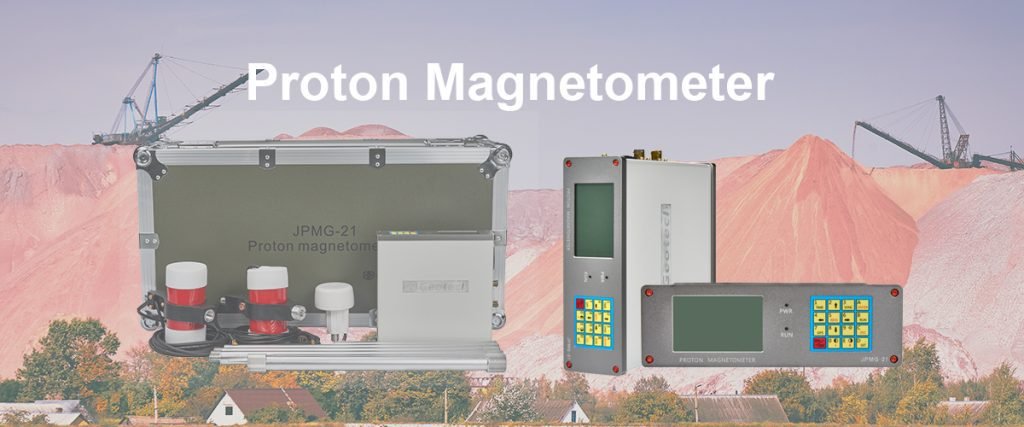
The proton magnetometer has been the workhorse of geophysical exploration for years. Its reliability stems from the fundamental physical constant of proton precession. Proton precession magnetometer devices measure the precession frequency of protons in magnetic fields. This provides absolute field measurements without requiring calibration.
Modern magnetometer proton systems incorporate quantum-inspired enhancements. These improvements maintain the traditional benefits while adding quantum advantages. The result is a hybrid approach that combines proven technology with cutting-edge innovation.
IV. Field Application Advancements
Geomagnetic survey equipment has significantly evolved with quantum technology. Modern systems offer enhanced capabilities for magnetic gradient surveying. This technique measures magnetic field gradients rather than total field values. It provides superior resolution for detailed subsurface mapping.
Portable magnetic gradiometer systems benefit particularly from quantum enhancements. Their compact size combined with quantum sensitivity enables field measurements previously impossible. These advances revolutionize magnetometry archeology and other precision applications.
Electromagnetic survey methods also gain from quantum sensor integration. The improved sensitivity allows deeper subsurface penetration. It also provides better discrimination between different materials and structures.
V. High-Sensitivity Applications
High-sensitivity magnetometer systems find applications across numerous fields. Their quantum-enhanced capabilities enable new possibilities in geophysical exploration. These systems can detect minute magnetic anomalies indicating mineral deposits or archaeological features.
The technology particularly benefits magnetometry archeology. Quantum sensors can identify buried structures without excavation. They preserve archaeological sites while providing valuable data. This non-invasive approach revolutionizes historical site investigation.
VI. Technical Implementation
Implementing quantum technology in survey magnetometer systems requires careful engineering. Manufacturers must balance performance with practicality. Field-ready equipment must withstand harsh environmental conditions while maintaining quantum coherence.
The integration involves sophisticated cooling systems and isolation mechanisms. These ensure quantum states remain stable during measurements. The result is reliable equipment that delivers quantum-enhanced performance in field conditions.
VII. Future Development Directions
The future of geomagnetic survey equipment lies in further quantum integration. Researchers are developing next-generation sensors with even higher sensitivities. These advancements will enable new applications in resource exploration and environmental monitoring.
Portable magnetic gradiometer systems will become increasingly sophisticated. Their shrinking size and growing capabilities will make professional-grade measurements accessible to more users. This democratization of technology will drive innovation across multiple industries.
Conclusion
Quantum sensing represents the future of magnetic field measurement. The integration of quantum technologies with traditional proton magnetometer principles creates powerful new capabilities. These advancements benefit various applications from magnetometry archeology to mineral exploration. As technology continues evolving, quantum-enhanced magnetometers will unlock new possibilities in understanding and utilizing Earth’s magnetic fields.
Reference
- WIKI:https://en.wikipedia.org/wiki/Electrical_resistivity_tomography
- Society of Exploration Geophysicists (SEG) https://seg.org/
- Society of Environmental and Engineering Geophysicists (EEGS) https://www.eegs.org/
- Geology and Equipment Branch of China Mining Association http://www.chinamining.org.cn/
- International Union of Geological Sciences (IUGS) http://www.iugs.org/
- European Geological Survey Union (Eurogeosurveys) https://www.eurogeosurveys.org/