Welcome to Geotech!
-1.png)


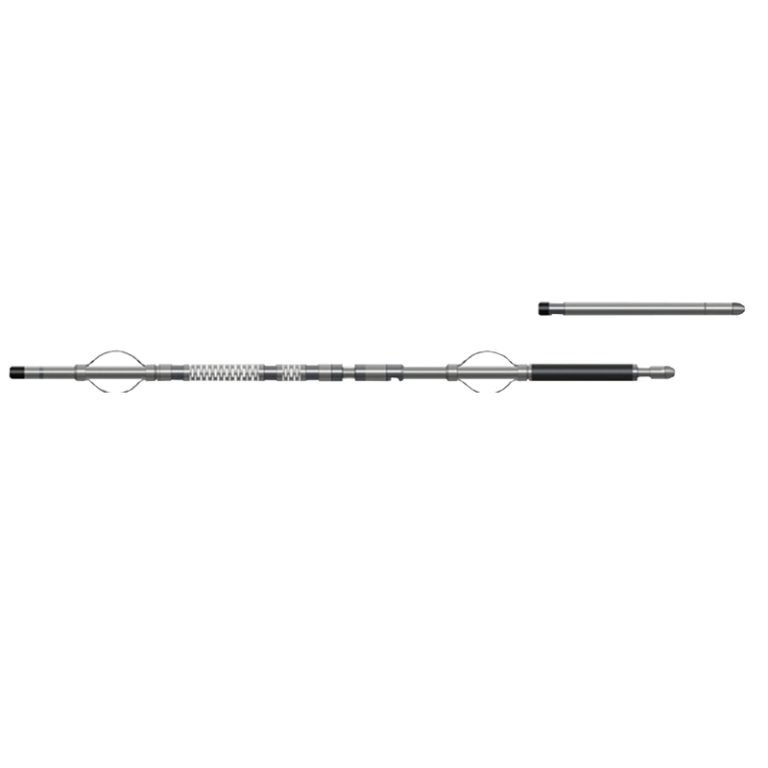
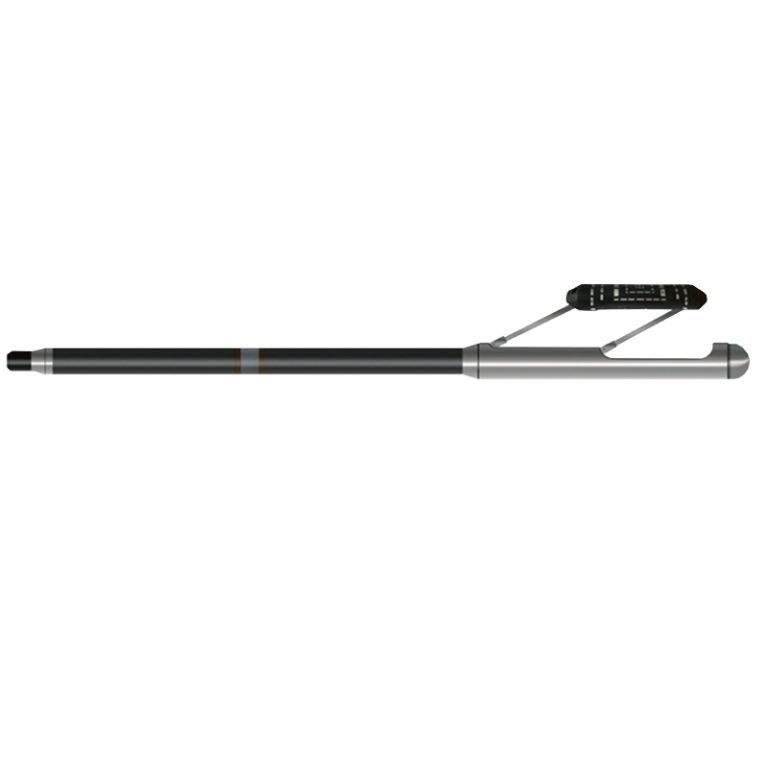
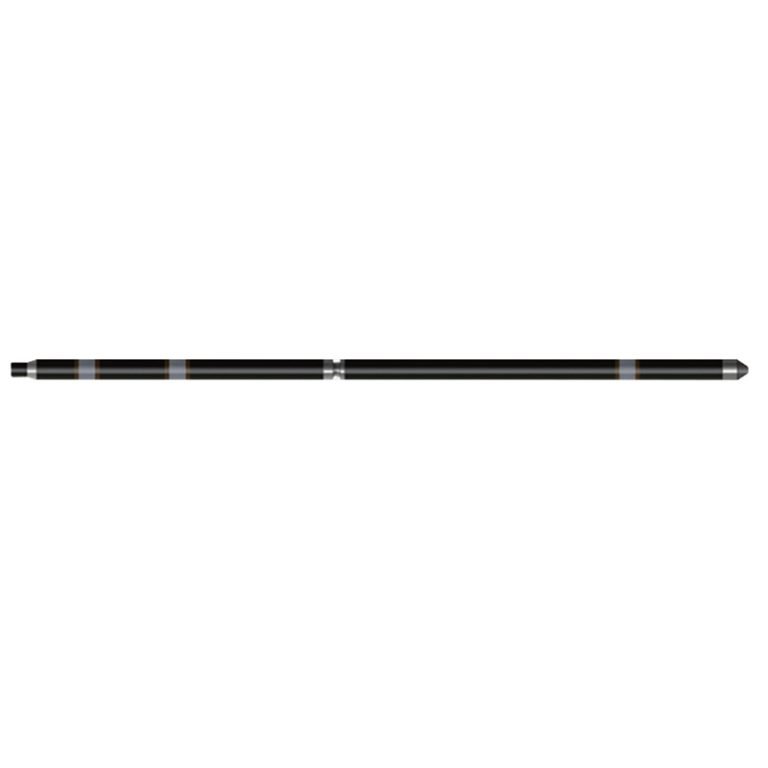
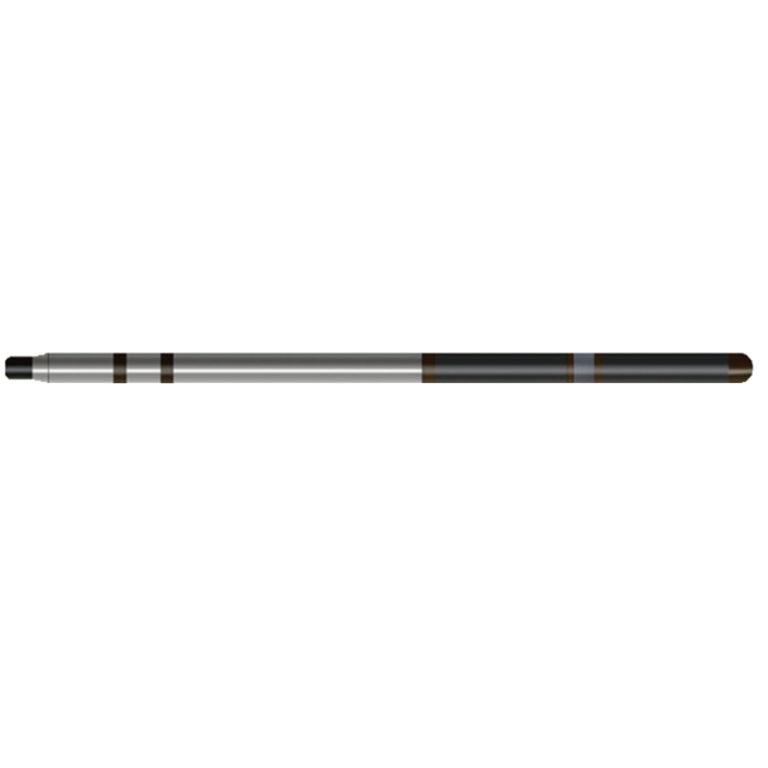
JMD-1 Compensated Density Probe
PRODUCT PARAMETERS
Description
 Abstract
 Abstract
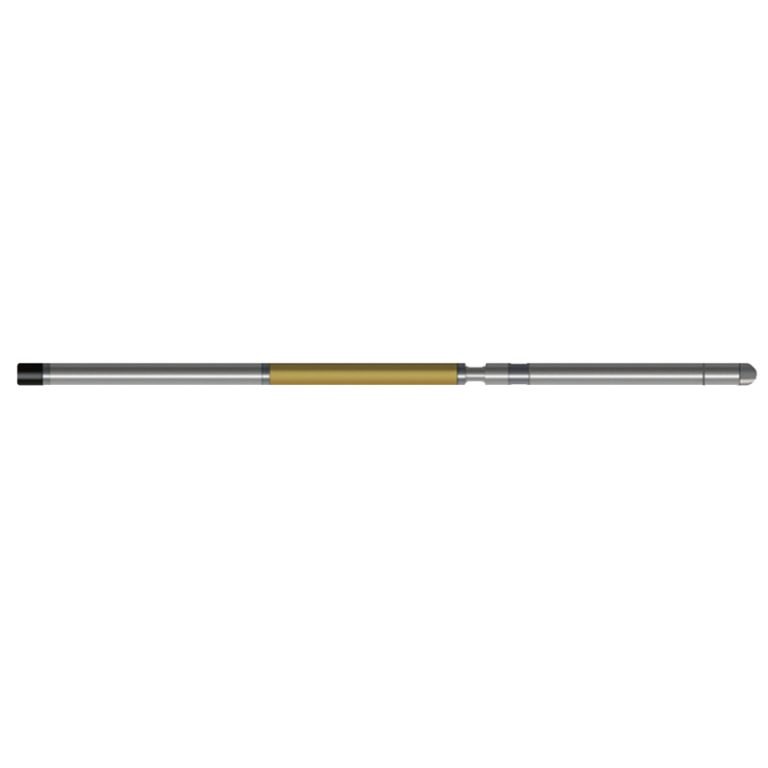
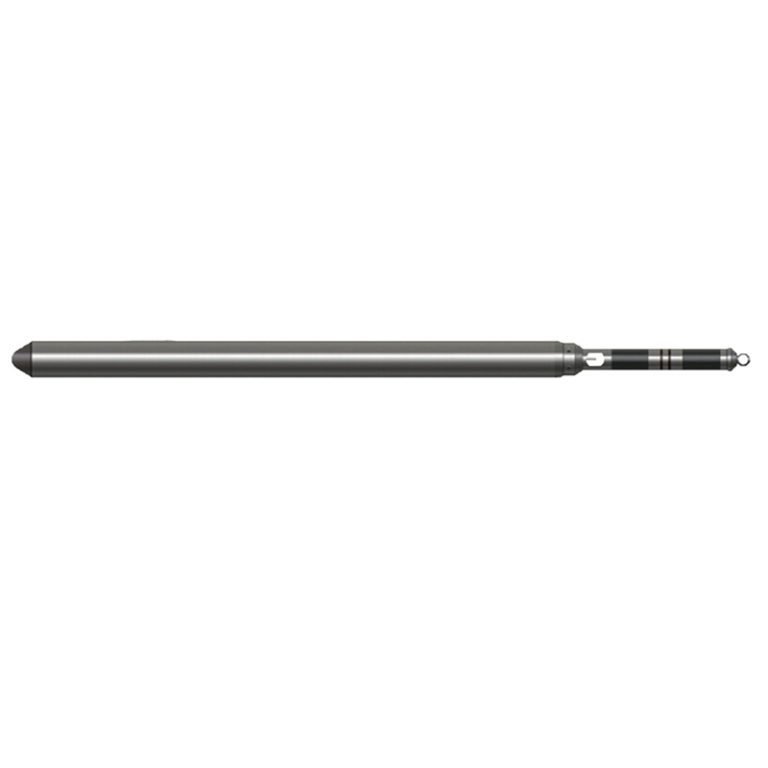
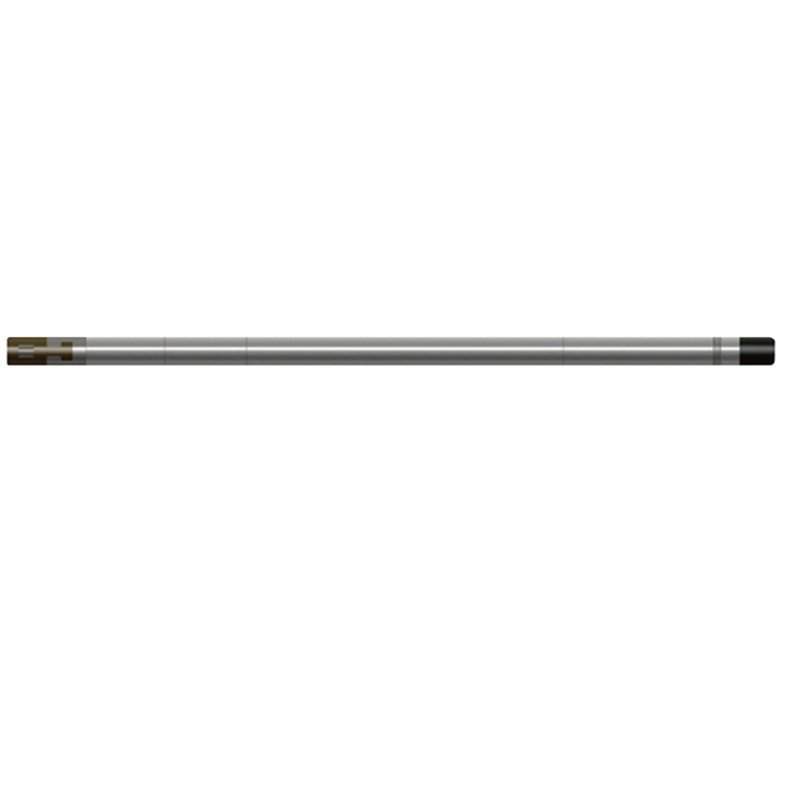
JMD-1 Compensated Density Probe is one of many nuclear logging methods. Its theoretical basis is the Compton scattering effect. It uses Cs137 as a gamma source. The energy of the emitted gamma rays is 0.661MeV. It does not react with the formation material to form electron pairs, but it will produce the Compton effect. By measuring and recording those gamma rays with higher energy, including gamma rays that have been scattered once or multiple times, the apparent density of the formation can be calculated.

Applicable Conditions
● Cased
● Bare hole fill with water or mud
● Bare Dry hole
Applications
● Exploration and quality evaluation of oil, coal, gas and other mineral deposits
● Determine lithology
● Measuring formation porosity
● Testing the cement cementing quality outside the production well casing
● Quantitative calculation of in-situ formation density
Features
● A larger source distance is used to take into account both measurement sensitivity and statistical fluctuation error.
● The method of using long and short source distance detectors to measure simultaneously can compensate for unfavorable factors such as mud cakes.
Specifications
| Scattered gamma detector | Nal crystal + photomultiplier tube |
| Natural gamma detector | Nal crystal + photomultiplier tube |
| Radioactive source | Cs137, 3700MBq |
| Quantity parameters and range | Natural gamma: 1~32768cps; Long source distance count rate: 1~32768cpS Short source distance count rate: 1~32768cps; Density: 1~3.0g/cm3; Accuracy 3% |
| Signal output | Bipolar encoding |
FAQ
In gravity exploration (SI), what is the unit of gravity? How to convert gravity units between SI and CGS?
What are gravitational field and gravitational potential?
What is the normal gravity field of the earth? What are the rules for the change of the normal gravity field with latitude and altitude?
What is the relationship between gravitational field strength and gravitational acceleration?
What is gravity exploration?