Welcome to Geotech!
-1.png)

Portable Magnetic Gradiometer: A Comprehensive Guide
TIPS:In magnetic field measurement, the portable magnetic gradiometer is vital. This guide explores its working principle, portable design, and uses in geology and archaeology. Discover how this tool, with magnetic gradient measurement, aids pros in these fields.
Ⅰ. Introduction
Among the diverse tools for magnetic field measurement and detection, the Portable Magnetic Gradiometer stands out as a valuable asset in fields such as geological exploration and archaeological research. It can accurately capture changes in the magnetic field gradient, providing crucial information for the detection of underground targets. This article will delve into its working principle, portable design features, and extensive applications in geology, archaeology, and other fields, offering you a comprehensive understanding of this instrument.
Ⅱ. Working Principle of the Portable Magnetic Gradiometer
1. Physical Basis of Magnetic Gradient Measurement
The Portable Magnetic Gradiometer, also referred to as a handheld magnetic gradient meter or a mobile magnetic gradation device, centers on magnetic gradient measurement (also known as the measurement of magnetic gradient or magnetic gradient determination). The magnetic field gradient reflects the rate of change of the magnetic field in space. This instrument uses a built – in differential magnetometer (also called a differential – type magnetic sensor or a difference – measuring magnetometer) to simultaneously measure the magnetic field intensities at two adjacent points and calculate the difference to obtain information about the magnetic field gradient, thereby identifying abnormal magnetic field bodies underground.
2. Signal Processing and Data Output
The measured magnetic field gradient signals are processed by internal signal amplification and filtering modules of the instrument and converted into recognizable electrical signals. Through a data acquisition and processing system, the magnetic field gradient data is output in digital or graphical form, facilitating operators’ analysis and interpretation and providing a basis for subsequent target judgment.
Ⅲ. Features and Advantages of Portable Design
1. Lightweight and Miniaturized Design
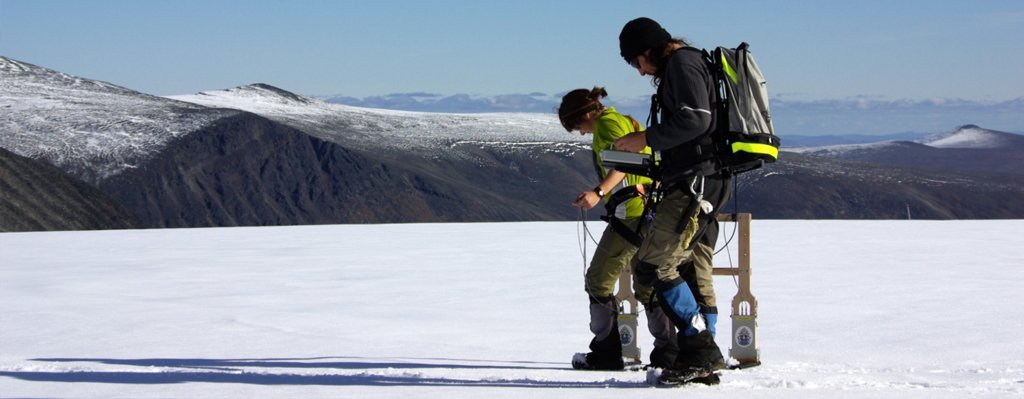
As a field – portable instrument (also known as a portable field device or a mobile field gradiometer), the portable magnetic gradiometer emphasizes lightweight and miniaturized design. The outer shell is made of light alloy materials, and the internal circuit layout is optimized, resulting in a light overall weight and small volume. It is convenient for operators to hold or carry on their backs in different environments such as the field and archaeological sites, enhancing the convenience of operation.
2. Low Power Consumption and Long Endurance
To meet the needs of long – term field operations, the instrument incorporates low – power consumption technology in its portable design. High – efficiency batteries are selected and matched with an intelligent power management system. While ensuring the performance of the instrument, it reduces energy consumption, achieves long endurance, reduces work interruptions caused by frequent charging, and improves work efficiency.
Ⅳ. Applications in Geological Exploration
1. Mineral Resource Exploration
In geological exploration, the portable magnetic gradiometer can be used for mineral resource exploration. Underground ore bodies (such as iron ore, copper ore, etc.) can cause local magnetic field gradient anomalies. By systematically scanning the exploration area with the instrument, capturing these magnetic gradient anomaly signals, and combining with geological data analysis, the distribution range of potential mineral resources can be delineated, providing guidance for further drilling verification and improving the efficiency of mineral exploration.
2. Geological Structure Research
For geological structure research, this instrument also plays an important role. Geological structures such as faults and folds can lead to changes in the magnetic field gradient. Using the portable magnetic gradiometer for regional measurement and obtaining magnetic field gradient distribution data can assist in analyzing the shape, trend, and other information of geological structures, providing basic data for geological research and engineering construction (such as tunnel location selection, foundation evaluation, etc.).
Ⅴ. Applications in Archaeology
1. Detection of Underground Relics
In archaeological work, the Portable Magnetic Gradiometer is an effective tool for detecting underground relics. Ancient building sites, tombs, etc., due to the difference in magnetic properties between building materials (such as bricks, stones, metal artifacts) and the surrounding soil, will produce magnetic field gradient anomalies that can be detected by the instrument. By conducting magnetic gradient measurement and data analysis in the archaeological area, the location and range of underground relics can be accurately positioned, providing a scientific basis for archaeological excavation and reducing the blindness of excavation.
2. Cultural Relic Protection and Monitoring
For excavated cultural relic sites, the portable magnetic gradiometer can be used for cultural relic protection and monitoring. Changes in the surrounding environment (such as construction, soil erosion) may affect the magnetic field gradient of the site. Regularly using the instrument for monitoring and capturing information about changes in the magnetic field gradient can timely detect potential damage risks to the site, providing data support for the formulation of cultural relic protection measures and safeguarding archaeological cultural heritage.
Ⅵ. Conclusion
The Portable Magnetic Gradiometer, with its unique working principle and portable design advantages, demonstrates significant value in fields such as geological exploration and archaeology. From accurately measuring the magnetic field gradient to assisting in mineral resource exploration and geological structure research, and from providing technical support for archaeological relic detection and protection, it continuously promotes the development of related fields. With the continuous progress of technology, its performance is expected to be further improved, and its application scenarios will also continue to expand, providing a powerful tool for magnetic field detection and research work in more industries and opening a new chapter in portable magnetic gradient measurement.
Reference
- Society of Exploration Geophysicists (SEG) https://seg.org/
- Society of Environmental and Engineering Geophysicists (EEGS) https://www.eegs.org/
- Geology and Equipment Branch of China Mining Association http://www.chinamining.org.cn/
- International Union of Geological Sciences (IUGS) http://www.iugs.org/
- European Geological Survey Union (Eurogeosurveys) https://www.eurogeosurveys.org/

