Welcome to Geotech!
-1.png)

What is a Magnetometer? Your Ultimate Guide to Magnetic Measurement
TIPS:A magnetometer is a vital instrument for measuring magnetic fields, playing a crucial role in diverse fields such as geophysics and aerospace. This article serves as your ultimate guide to magnetometers, explaining what a magnetometer is, its various applications, and different types. Among them, the proton magnetometer stands out. We’ll explore how the proton magnetometer, especially Geotech’s high – precision proton precession magnetometer, works and why it’s favored in magnetic surveys. Whether you’re a professional in electromagnetic survey or a curious enthusiast, discover the world of magnetometers and why Geotech’s solutions lead the market.

Ⅰ. Definition and Working Principles
1.Basic Concept
A magnetometer is a sensor that converts magnetic field information into measurable electrical signals. Different types of magnetometers employ various physical principles for this conversion. For instance, some rely on the Hall effect, where a voltage is generated across a conductor when placed in a magnetic field. Others utilize the properties of ferromagnetic materials or atomic magnetic moments.
2.Proton Magnetometer
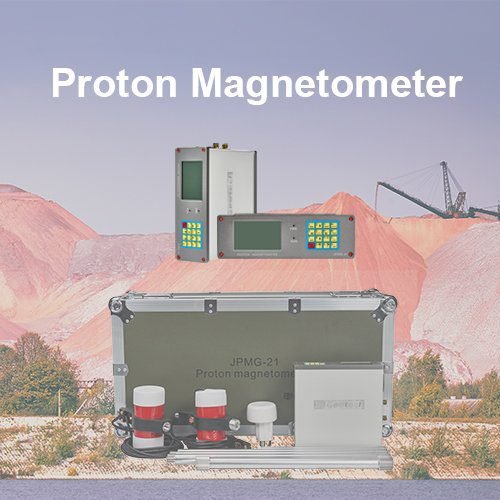
Proton magnetometers hold a significant position in the family of magnetometers. The commonly – used proton precession magnetometer operates based on the principle of nuclear magnetic resonance (NMR). Protons in a suitable liquid (such as water or kerosene) align in a strong external magnetic field. When the external field is suddenly removed, the protons precess, and the precession frequency is proportional to the strength of the ambient magnetic field. Geotech’s proton magnetometers are renowned for their high – precision measurements, ensuring reliable data collection across diverse environments.
Ⅱ. Main Uses and Applications
1.Geophysical Exploration
Magnetometers are essential in geophysical surveys. In electromagnetic surveys, they can detect subsurface geological structures, such as mineral deposits, groundwater reservoirs, and faults. Magnetic gradient surveying, by measuring the spatial variations of magnetic fields, can provide detailed information about the shape and depth of geological bodies. Geotech’s survey magnetometers, leveraging advanced technologies, are widely applied in these scenarios, assisting geologists in accurately mapping the subsurface.
2.Archaeology
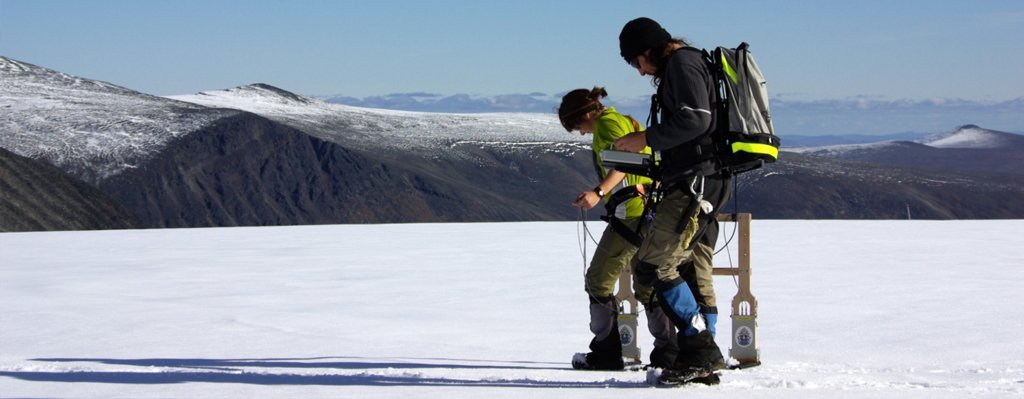
Magnetometry in archaeology is a powerful non – invasive exploration method. By measuring the minute magnetic anomalies caused by buried artifacts, structures, or changes in soil magnetic properties, archaeologists can locate potential excavation sites without extensive digging. High – sensitivity magnetometers are particularly suitable for this field, as they can detect even the slightest magnetic variations. Geotech’s portable magnetic gradiometers, with their excellent portability and sensitivity, are ideal for archaeological fieldwork.
3.Aerospace and Space Exploration
In the aerospace industry, magnetometers are used for satellite attitude control, space radiation environment monitoring, and interplanetary magnetic field exploration. They help spacecraft maintain their orientation and protect sensitive electronic components from the harmful effects of space radiation. Geomagnetic survey equipment provided by Geotech is crucial for understanding the Earth’s magnetic field and its variations, which is of great significance for satellite navigation and communication.
4.Environmental Monitoring
Magnetometers can be used to monitor the environment, such as detecting changes in the Earth’s magnetic field caused by natural phenomena like solar storms or geological activities. These changes can impact the environment and human activities, and magnetometers assist scientists in studying and predicting these effects.
Ⅲ. Applicable Scenarios
1.Land Surveys
Magnetometers perform well in land surveys, whether for large – scale geological mapping projects or small – scale archaeological excavations. They can operate in various terrains, including mountains, deserts, forests, and wetlands. Geotech offers a variety of magnetometers that can be customized according to different land survey requirements.
2.Marine Surveys
In marine environments, magnetometers are used for mapping the seafloor, detecting underwater archaeological sites, and studying marine geological processes. Specialized marine magnetometers are designed to withstand the harsh conditions of the ocean, such as high pressure and corrosion. Geotech’s marine – compatible magnetometers can provide accurate and reliable data in these challenging scenarios.
3.Airborne Surveys
Airborne magnetometers are used for large – scale geophysical surveys, capable of covering vast areas in a short time. Installed on aircraft or drones, they can quickly map the magnetic field of the Earth’s surface, which is especially useful for exploring remote or inaccessible regions. Geotech’s airborne magnetometers are characterized by high – speed data acquisition and excellent resolution.
Ⅳ. Selection Criteria
1.Measurement Range and Sensitivity
When selecting a magnetometer, its measurement range and sensitivity should be carefully considered. Different applications require different levels of precision. For example, in mineral exploration, magnetometers with high sensitivity and a wide measurement range are more likely to detect weak magnetic anomalies. Geotech’s magnetometers offer diverse measurement capabilities to meet various application needs.
2.Accuracy and Precision
Accuracy refers to the closeness of the measured value to the true value, while precision indicates the repeatability of measurements. Geotech’s magnetometers feature both high accuracy and precision, providing reliable data for scientific research and engineering applications.
3.Portability and Ease of Use
In fieldwork, portability is of great importance. Portable magnetic gradiometers are lightweight and easy to carry. Geotech’s portable models are also equipped with intuitive operation interfaces and user – friendly software, making them accessible to both novice and professional users.
4.Data Acquisition and Processing
Fast and efficient data acquisition and processing capabilities are also crucial. Modern magnetometers are usually equipped with advanced data acquisition systems and software, enabling real – time data analysis, filtering, and visualization. Geotech’s magnetometers have state – of – the – art data processing functions, allowing users to obtain valuable insights from measurements quickly.
Ⅴ. Pricing and Cost – effectiveness
1.Cost – effectiveness of Geotech Products:
Geotech’s magnetometers stand out with their excellent cost – effectiveness, combining high – quality performance and reasonable prices. Compared with other alternatives, they have more advantages in terms of accuracy, durability, and after – sales service.
2.Factors Affecting Price
The price of magnetometers is influenced by multiple factors, such as type, function, brand, and quality. Geotech provides products of different models to meet various budget requirements.
Reference
- Society of Exploration Geophysicists (SEG) https://seg.org/
- Society of Environmental and Engineering Geophysicists (EEGS) https://www.eegs.org/
- Geology and Equipment Branch of China Mining Association http://www.chinamining.org.cn/
- International Union of Geological Sciences (IUGS) http://www.iugs.org/
- European Geological Survey Union (Eurogeosurveys) https://www.eurogeosurveys.org/