Welcome to Geotech!
-1.png)


PDAC 2026 Convention: Geotech’s Tools Align with Mining Geophysics
TIPS:As PDAC 2026 kicks off in Toronto, the world’s mineral explorers are once again scanning for the next breakthrough. This article previews the two technologies set to dominate the show floor—the proton magnetometer and ERT resistivity tomography. Discover how the proton magnetometer’s sub-nanotesla sensitivity pinpoints small gold and nickel targets in real time, while 3-D ERT visualization converts large-scale resistivity data into instant depth sections. Learn how the “proton magnetometer + ERT” bundle can fast-track target verification for the 2026 field season and keep you ahead of the curve.
Ⅰ. PDAC 2026 Convention Core Overview
- Basic Event Info
Hosted by the Prospectors & Developers Association of Canada (PDAC), PDAC 2026 runs March 2-6, 2026 in Toronto, Canada. It is the world’s top mining exploration and development event, drawing 25,000+ professionals yearly. - Host Organization Background
PDAC has led global mining innovation for 85+ years. It promotes sustainable mining practices and connects miners, geophysicists, and equipment makers across 130+ countries. - Key Participating Groups
Attendees include:- Mining companies (gold, copper, lithium explorers)
- Geophysical equipment manufacturers (ERT, GPR, magnetometer makers)
- Geological survey institutions and academic teams
- Mining technology solution providers
Ⅱ. PDAC 2026 Key Highlights for Geophysics
- Mining Geophysics Zone
The “Mineral Exploration Tech” zone focuses on tools for ore body detection. It showcases proton magnetometers, ERT systems, and GPR for shallow mineral mapping. - Seismic Nodal & Deep Exploration Forum
Over 60 sessions cover seismic nodal advances. Topics include deep mineral exploration (500m+ depth) and low-power nodal systems for remote mines. - IP & Resistivity Imaging Showcase
Exhibits feature Induced Polarization (IP) and Resistivity Imaging tools. High-density IP systems for sulfide ore detection are a key focus. - Sustainable Mining Tech Track
A dedicated area highlights eco-friendly geophysical tools. It includes low-carbon DC Resistivity Sounding equipment and solar-powered magnetometers.
| Exhibition Zone | Core Technologies | Proportion |
|---|---|---|
| Mineral Exploration Tech | Proton Magnetometer, GPR, ERT | 40% |
| Deep Exploration | Seismic Nodal, Deep-Sensing Tools | 25% |
| Ore Body Detection | IP, Resistivity Imaging | 20% |
| Sustainable Mining | Low-Carbon Geophysical Equipment | 15% |
Ⅲ. 2026 Mining Geophysics Trends from PDAC
- Demand for High-Precision Mineral Detection
Mines need tools to locate small ore bodies. Proton magnetometers with ±0.5nT accuracy are now standard for gold and nickel exploration (PDAC 2026 trend report). - Shallow-to-Deep Exploration Integration
Projects require tools for both shallow (0-100m) and deep (500m+) surveys. GPR handles shallow mapping, while seismic nodal systems cover deep exploration. - IP-ERT Combination for Ore Identification
Combining Induced Polarization (IP) with ERT improves ore type recognition. 72% of PDAC miners prioritize this integration (2026 PDAC survey). - Portable Tools for Remote Mines
Remote mining sites need lightweight equipment. Handheld Vertical electrical sounding (VES) tools and compact GPR systems reduce transport costs by 30%.
Ⅳ. Geotech’s Products Fit PDAC Mining Trends
- Proton Magnetometer Advantages
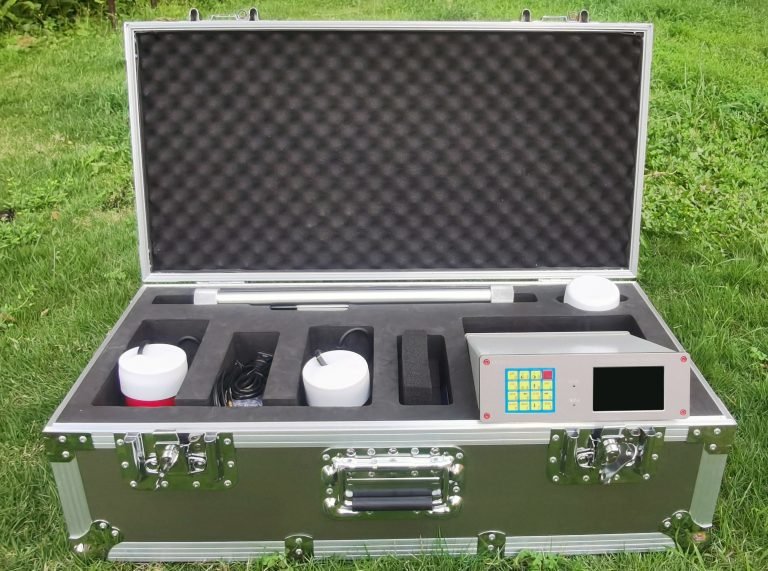
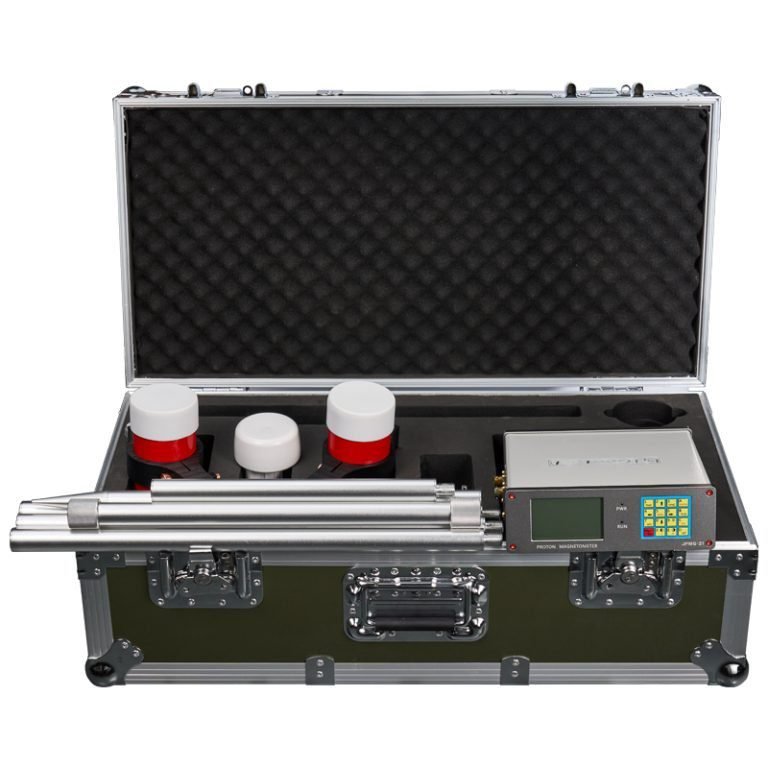
Geotech’s proton magnetometer aligns with PDAC’s precision demand:- ±0.5nT accuracy for small ore body detection
- Rugged design (withstands -40℃~70℃) for remote mines
- Real-time data sync with mining GIS software
This matches the “Mineral Exploration Tech” zone’s focus on accuracy.
- ERT & Resistivity Imaging Solutions
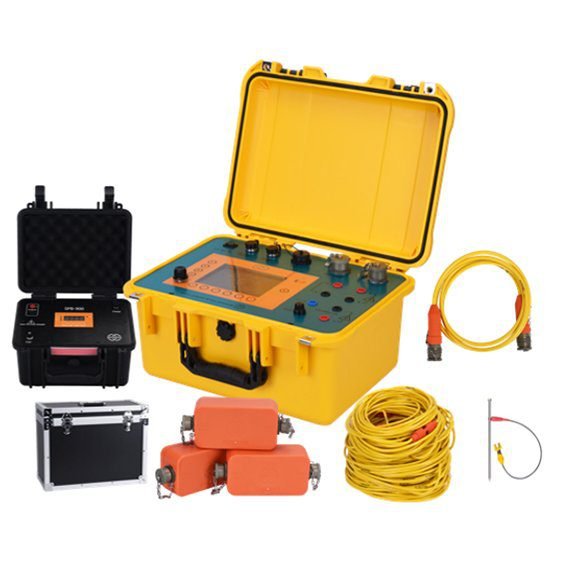
Geotech’s Electrical Resistivity Tomography (ERT) systems meet ore detection needs:- 200+ channels for large-area ore mapping
- Integrated Resistivity Imaging to visualize ore bodies
- Compatibility with IP modules for ore type analysis
These fit the “Ore Body Detection” zone’s IP-ERT integration trend.
- GPR for Shallow Exploration
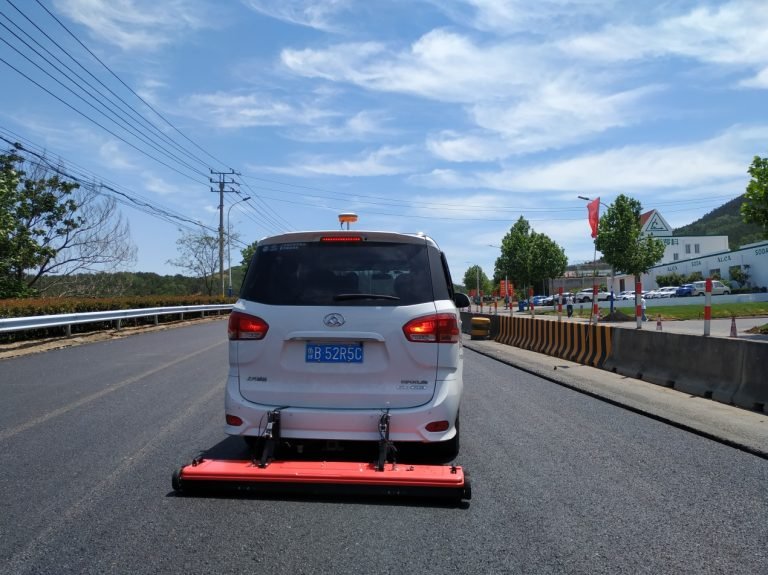
Geotech’s Ground Penetrating Radar (GPR) supports shallow mapping:- High-frequency antennas (2.0-3.0 GHz) for 0-100m depth
- Waterproof design for wet mine sites
- AI software that auto-marks potential ore zones
It complements PDAC’s shallow-to-deep exploration focus.
- Seismic Nodal & Sustainable Tools
Geotech’s seismic nodal equipment meets deep exploration needs:- 10-day battery life with solar charging (sustainable)
- Wireless data transfer for remote mines
- 500m+ depth detection for deep ore bodies
Its low-carbon design also fits the “Sustainable Mining” track.
| PDAC Mining Trend | Geotech Product | Key Matching Feature |
|---|---|---|
| High-Precision Detection | Proton Magnetometer | ±0.5nT Accuracy |
| IP-ERT Integration | ERT + IP Bundle | Integrated Modules |
| Shallow Exploration | GPR System | 2.0-3.0 GHz Antennas |
| Deep Remote Mining | Seismic Nodal | Solar Charging, 500m+ Depth |
Ⅴ. Join PDAC 2026
PDAC 2026 is critical for mining professionals. It offers:
- Demos of the latest proton magnetometer and ERT tech for ore detection
- Networking with 1,200+ mining companies and equipment makers
- Sessions on GPR and seismic nodal integration for shallow-deep surveys
Mining firms, exploration teams, and geophysical service providers should attend. They can learn how Geotech’s tools solve real mining challenges like small ore body detection and remote site surveys.
Ⅵ. Conclusion
PDAC 2026 will shape the future of mining geophysics. Trends like high-precision detection, IP-ERT integration, and sustainable tools are key. Geotech’s products—from proton magnetometers and ERT systems to GPR and seismic nodal tools—are built to meet these mining-specific needs. By following PDAC’s lead, Geotech continues to support the mining industry’s drive for efficiency and sustainability. All mining partners are encouraged to engage with PDAC 2026 and explore how innovative geophysical tools drive better mineral exploration results.
Reference
- WIKI:https://en.wikipedia.org/wiki/Electrical_resistivity_tomography
- Society of Exploration Geophysicists (SEG) https://seg.org/
- Society of Environmental and Engineering Geophysicists (EEGS) https://www.eegs.org/
- Geology and Equipment Branch of China Mining Association http://www.chinamining.org.cn/
- International Union of Geological Sciences (IUGS) http://www.iugs.org/
- European Geological Survey Union (Eurogeosurveys) https://www.eurogeosurveys.org/