Welcome to Geotech!
-1.png)


Proton Magnetometer | Single Sensor Version
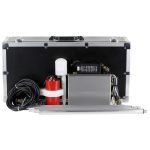

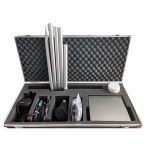
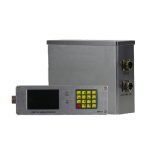
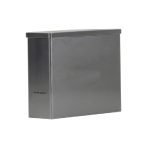

PRODUCT PARAMETERS
Description
 Abstract
 Abstract
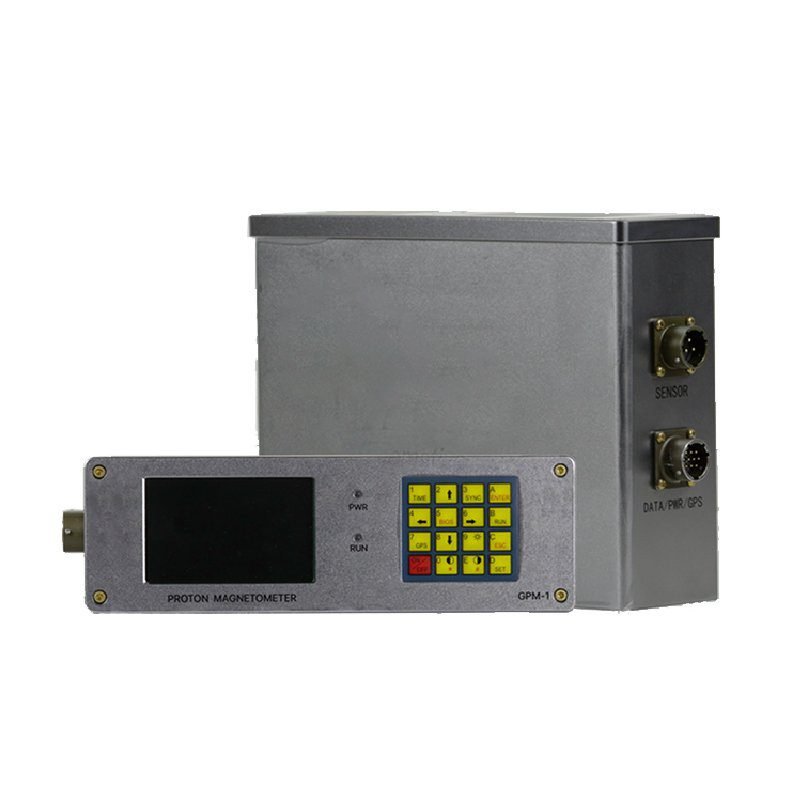
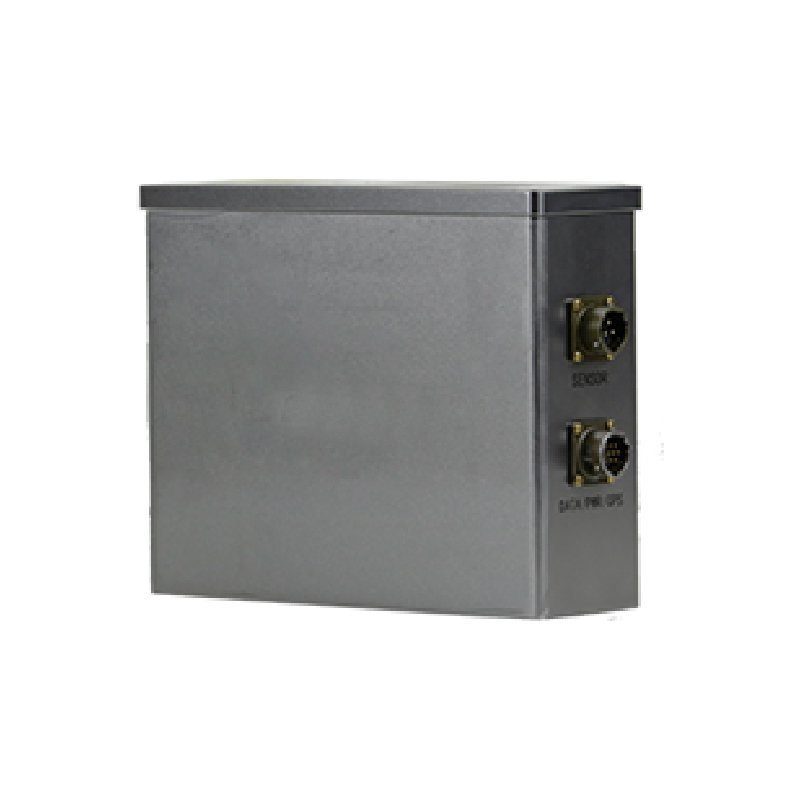
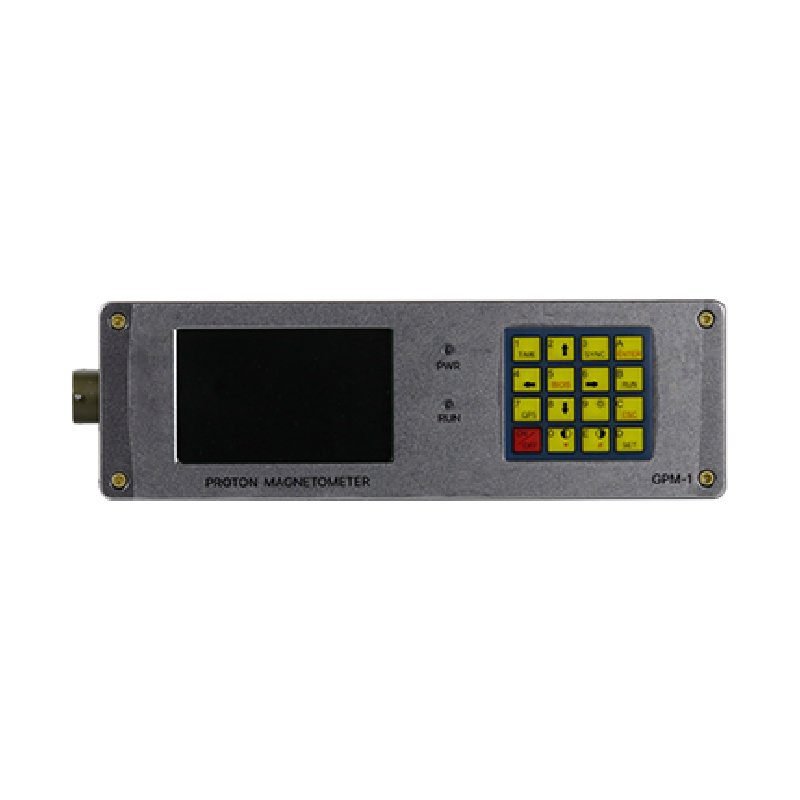
The JPMG Proton Magnetometer represents a breakthrough in ground-based magnetometer technology, engineered for geophysical exploration professionals. As the fastest proton precession magnetometer currently available, this lightweight field instrument delivers 0.05nT sensitivity for detecting subtle magnetic anomalies across 20,000-120,000nT dynamic range. This professional magnetometer integrates military-grade durability with cutting-edge measurement capabilities. Its OCXO-stabilized system ensures ±0.1nT absolute accuracy, making it ideal for mineral prospecting, archaeological surveys, and tectonic studies.
Why Choose JPMG Magnetometer?
Ultra-Precise Measurement
- 0.01nT resolution with temperature-compensated OCXO oscillator
Multi-Scenario Adaptability
- 3 operational modes (Mobile/Walking/Base) for diverse field conditions
Smart Synchronization
- 30μs GNSS time sync across GPS/BeiDou/GLONASS systems
Military-Grade Protection
- IP67-rated aluminum housing withstands -40℃~55℃ extremes
Advanced Features of Proton Magnetometer
Real-Time Data Visualization
- Magnetic field curves display with gradient measurement capability
Efficient Workflow Design
- Continuous walking-mode acquisition (3-60s sampling)
Dual Data Transfer
- USB/R232 interfaces with 32MB internal storage
Professional Software Integration
- Generate contour maps and 3D magnetic profiles
Key Applications of JPMG Magnetometer
Mineral Exploration
- Iron/copper/zinc ore detection with 5000nT/m gradient tolerance
Energy Sector
- Oil & gas reservoir mapping through structural analysis
Environmental Monitoring
- Earthquake/volcanic precursor observation networks
Engineering Survey
- Pipeline detection & underground infrastructure mapping
Archaeological Research
- Non-invasive relic localization technology
Field Implementation Scenarios
Iron Ore Prospecting
- In Mongolia’s Gobi region, JPMG units achieved 150 survey points/day with 0.08nT repeatability, identifying 3 potential deposits through magnetic anomaly mapping.
Archaeological Discovery
- Brazilian teams utilized walking-mode acquisition to map 12th-century settlement patterns, detecting buried artifacts at 2.3m depth through magnetic contrast analysis.
Specifications
| Specifications | |
| Sensitivity | 0.05nT |
| Dynamic range | 20,000-120,000nT |
| Absolute accuracy | ± 0.1nT |
| Resolution | 0.01nT |
| Sample | 3~ 60s @Mobile Mode; 3~3600s @Base Mode. |
| Gradient Tolerance | >5000nT/m |
| Remote Control | optional remote control via RS-232 interface |
| Input/Output | RS-232 via 10 pin weatherproof connector with USB adaptor |
| Internal Memory | 32MB(209715 readings in Manual Mode, 699050 readings in Base Mode) |
| Dimension & weight | Console: 220mm(L)×70mm(H)×175mm(W);1.57kg Sensors: 140mm(L)×70mm(D); 1kg |
| Operating Temperature | – 40°C to + 55°C |
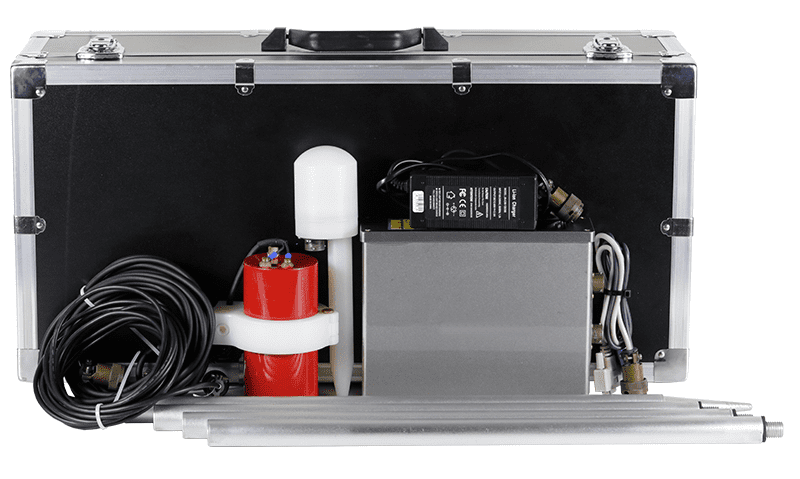
| Standard Configuration | |
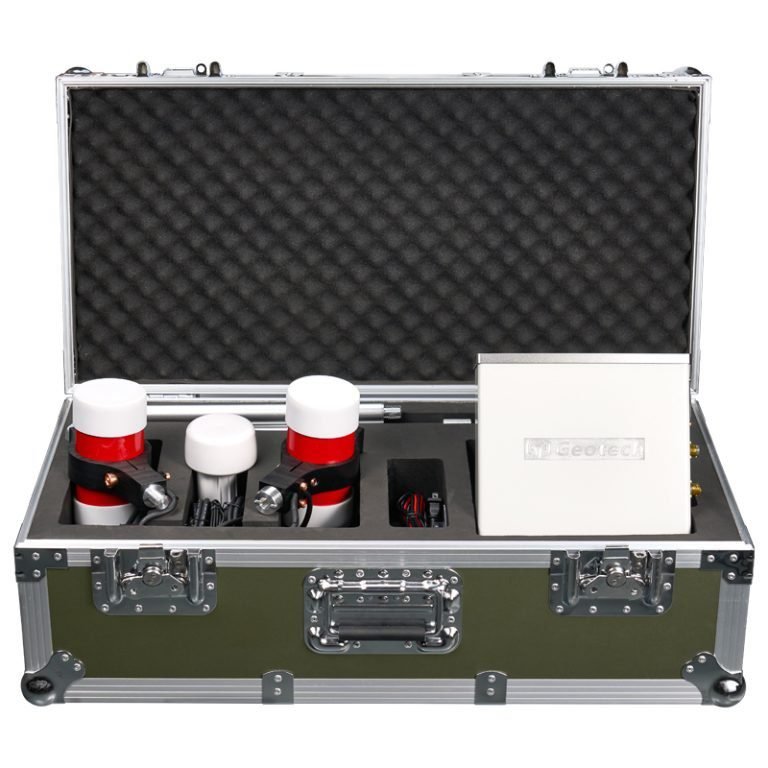
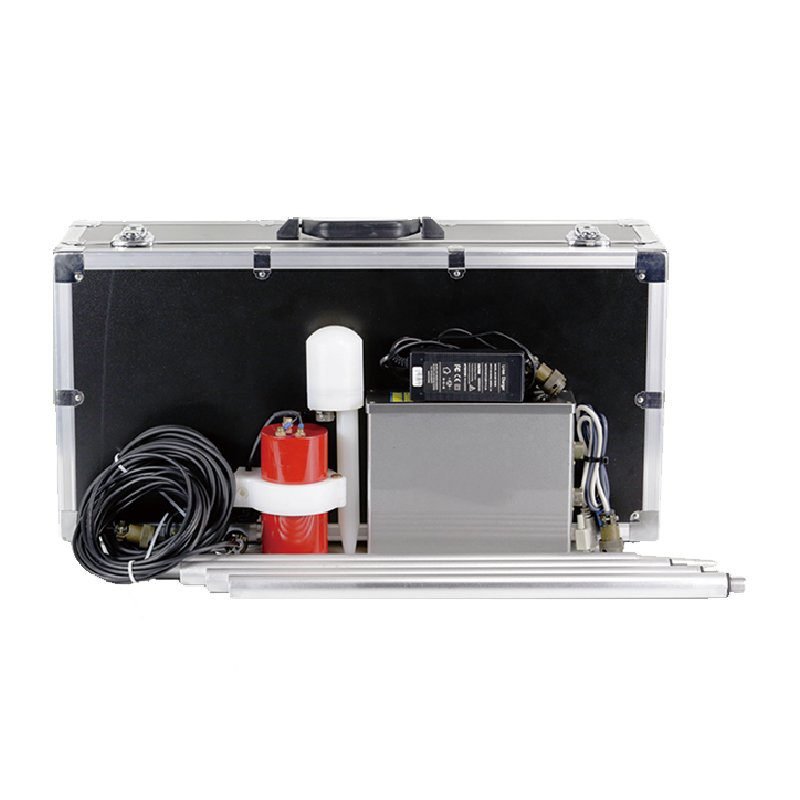
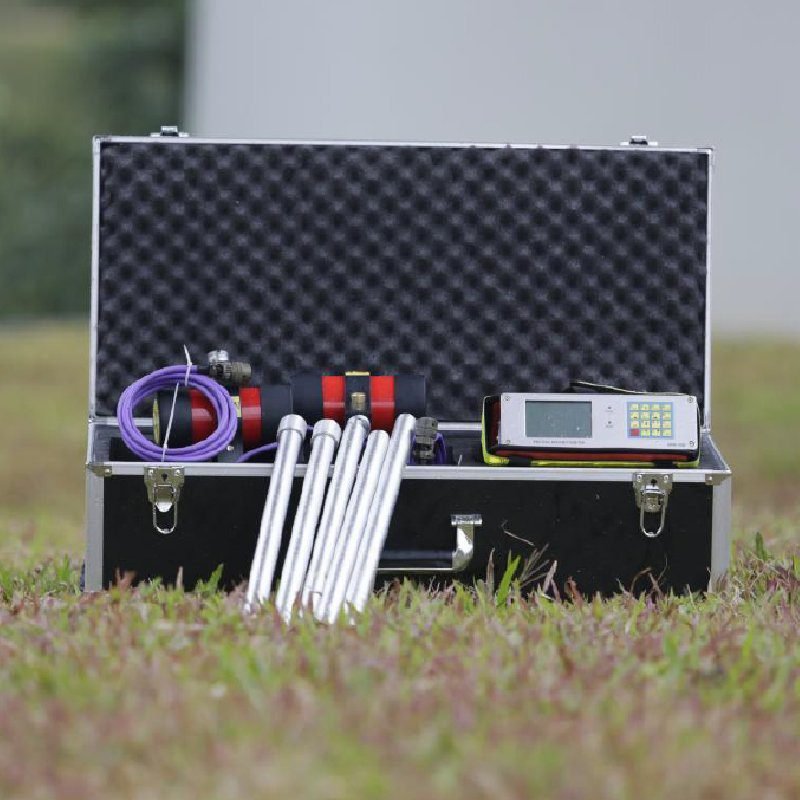
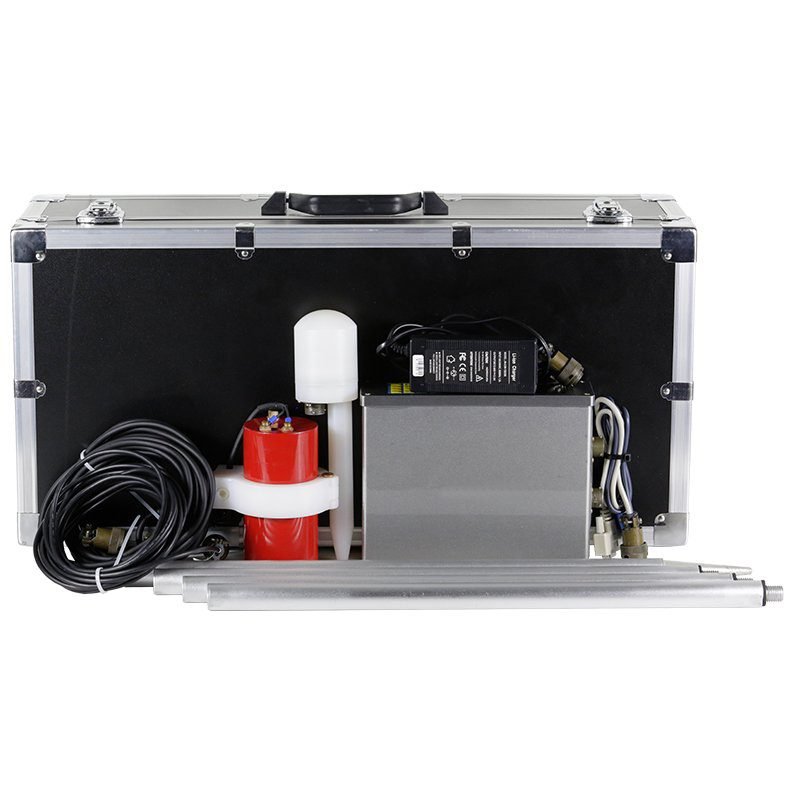
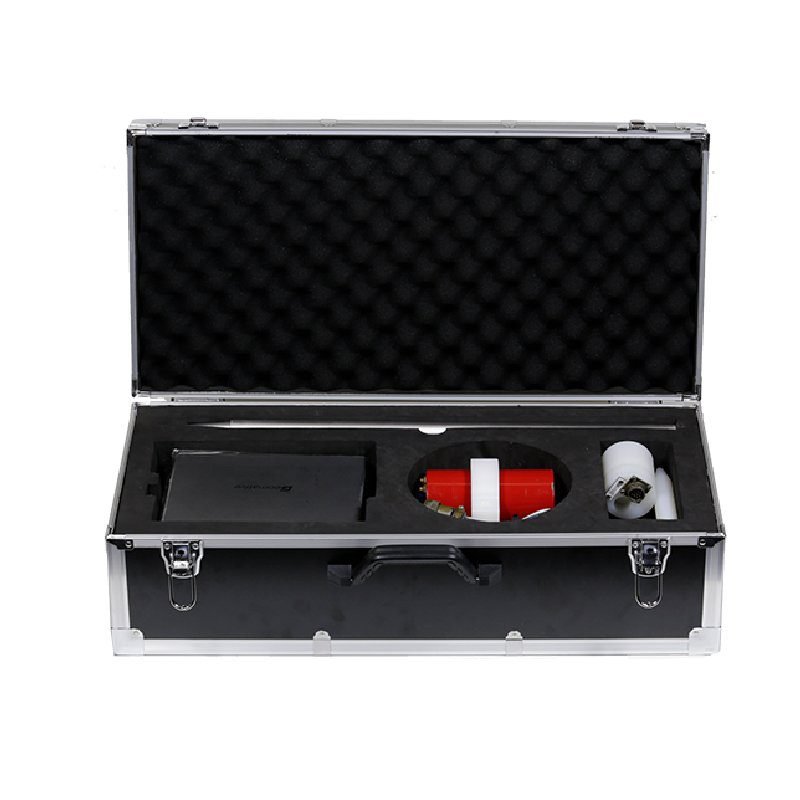
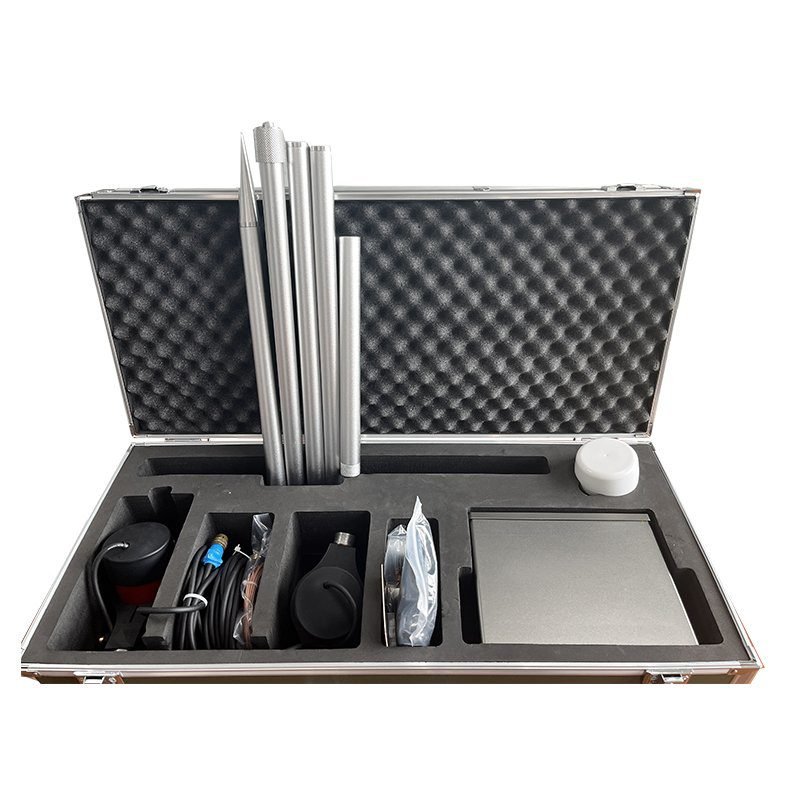
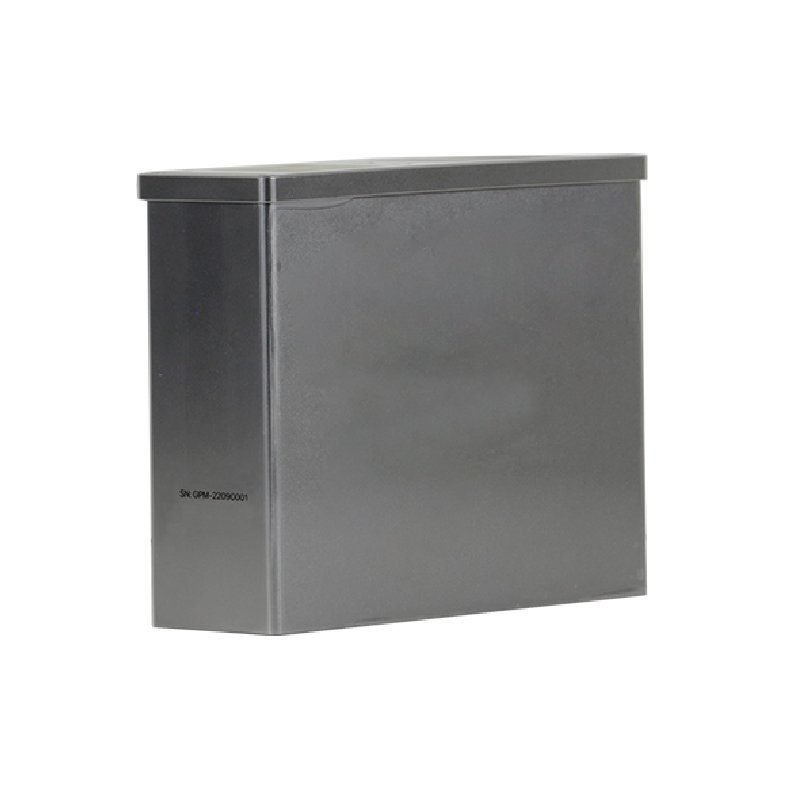
| JPMG Series Proton Magnetometer Console | 1x |
| Harness / Charger | 1x |
| Sensor with Cable | 1x |
| Aluminum rod 50cm | 4x |
| Standard GPS | 1x |
| RS-232 Cable with USB adapter | 1x |
| Instruction Manual | 1x |
| Shipping Case | 1x |
Case study
**Challenge:** Accurately map complex banded iron formations through 50m+ overburden.
**Solution:** JPMG’s 0.05nT sensitivity enabled detection of:
- 12 distinct mineralized zones
- 3 previously unknown fault lines
**Result:** 22% faster survey cycle vs traditional proton magnetometers.
Olary iron project mineral resouce estimate in South Australia by magnetic method

**Keywords:** Proton Magnetometer, Magnetometer, Geomagnetic Survey Device, High-Sensitivity Magnetometer;
**Keywords Integration:**Proton magnetometer applications;High-accuracy magnetometer,Geological survey equipment,Portable magnetic gradiometer
FAQ
In gravity exploration (SI), what is the unit of gravity? How to convert gravity units between SI and CGS?
① In SI, it is m·s-2, and one percent of it is the international unit abbreviation g.u.;
② Conversion between SI and CGS: 1g.u.=10-1 mGal
What are gravitational field and gravitational potential?
Gravitational field: The space around the earth with gravity is called the gravitational field.
Gravitational potential: The gravitational potential W in the gravitational field is equal to the work done by a particle of unit mass moving from infinity to that point.
What is the normal gravity field of the earth? What are the rules for the change of the normal gravity field with latitude and altitude?
① The normal gravity field of the earth: Assuming that the earth is a rotating ellipsoid (reference plane), the surface is glossy, the internal density is uniform, or it is distributed in concentric layers, the density of each layer is uniform, and the deviation of the shape of the ellipsoid from the geoid is very small, then the gravity field generated by the earth is the normal gravity field.
② The normal gravity value is only related to the latitude, the smallest at the equator and the largest at the poles, with a difference of about 50,000 g.u.; the rate of change of the normal gravity value with latitude is the largest at 45° latitude, and zero at the equator and the poles; the normal gravity value decreases with increasing altitude, and its rate of change is -3.086 g.u.. The main feature of the long-term change is the "westward drift" of the geomagnetic elements, both the dipole field and the non-dipole field drift westward, and have a global nature.
What is the relationship between gravitational field strength and gravitational acceleration?
The gravitational field strength is equal to the gravitational acceleration in both numerical and dimensional terms, and the two are in the same direction. In gravity exploration, all references to gravity refer to gravitational acceleration. The gravitational field strength at a point in space is equal to the gravitational acceleration at that point.
What is gravity exploration?
Gravity exploration is an exploration method that is based on the density difference of rocks and ores. Since density difference will cause local changes in the normal gravity field of the earth (i.e. gravity anomaly), it is used to solve geological problems by observing and studying gravity anomalies.