Welcome to Geotech!
-1.png)


Geomagnetic Survey Equipment: A Comprehensive Guide to Standardization Certification
TIPS:Geomagnetic survey equipment’s standardization certification is vital. It covers norms, international requirements, QMS compliance, and calibration traceability. This guide explores how certification ensures accuracy, drives industry growth, and shapes market evolution. Understand the key to reliable geomagnetic surveys with certified equipment.
Ⅰ. Introduction to Geomagnetic Survey Equipment and Standardization Certification
Geomagnetic survey equipment plays a crucial role in various fields such as geophysics, mineral exploration, and environmental monitoring. To ensure the accuracy, reliability, and interoperability of these devices, a robust standardization certification system is essential.
The standardization certification system of geomagnetic survey equipment, also known as earth magnetic device certification norms or geomagnetic tool accreditation standards, provides a framework for manufacturers, users, and regulatory bodies. It covers everything from the design and production of the equipment to its calibration and quality control. In this article, we will delve deep into the various aspects of this certification system, including international certification requirements, quality management system compliance, and calibration traceability.
Ⅱ. Standardization Certification System of Geomagnetic Survey Equipment
1. Earth Magnetic Device Certification Norms
The foundation of the standardization certification for geomagnetic survey equipment lies in the earth magnetic device certification norms. These norms define the technical specifications that the equipment must meet. For example, they specify the range of magnetic field measurement, the accuracy tolerance, and the environmental conditions under which the equipment can operate.
Manufacturers need to ensure that their geomagnetic survey equipment adheres to these norms during the design and production phases. This includes using appropriate materials, components, and manufacturing processes. By complying with these norms, the equipment can provide consistent and accurate measurements, which is vital for reliable data collection in geomagnetic surveys.
2. Geomagnetic Tool Accreditation Standards
Geomagnetic tool accreditation standards go a step further in ensuring the quality of the equipment. These standards are set by accreditation bodies and involve a comprehensive evaluation of the equipment. The evaluation may include testing the equipment in different scenarios, auditing the manufacturing process, and verifying the documentation.
For instance, an accreditation body may test a geomagnetic survey instrument’s ability to measure magnetic fields accurately in the presence of external interference. If the equipment passes these tests and meets all the accreditation standards, it is then certified. This certification provides confidence to users that the equipment is of high quality and can be trusted for their geomagnetic survey needs.
Ⅲ. International Certification Requirements
1. Global Accreditation Criteria
In the global market, geomagnetic survey equipment must meet international certification requirements, which are also referred to as global accreditation criteria or worldwide approval standards. These criteria are developed to ensure that the equipment can be used across different countries and regions without compatibility issues.
For example, the International Organization for Standardization (ISO) may set certain standards for geomagnetic survey equipment. These standards cover aspects such as safety, performance, and interoperability. Manufacturers who want to sell their equipment internationally need to ensure that their products meet these global accreditation criteria. This not only helps in expanding the market reach but also ensures that the equipment can be used in international collaborative projects.
2. Worldwide Approval Standards for Geomagnetic Equipment
Worldwide approval standards for geomagnetic equipment are designed to facilitate the seamless use of the equipment across borders. These standards take into account the different regulatory environments and technical requirements of various countries.
For instance, in some countries, there may be specific requirements for the calibration of geomagnetic survey equipment. The worldwide approval standards ensure that the calibration methods and procedures used by the manufacturer are acceptable globally. This helps in avoiding delays and additional costs associated with getting the equipment certified in different countries. By adhering to these standards, manufacturers can ensure that their geomagnetic survey equipment is readily accepted in the international market.
Ⅳ. Quality Management System Compliance
1. QMS Adherence in Geomagnetic Equipment Production
Quality management system (QMS) compliance is a key aspect of the standardization certification of geomagnetic survey equipment. QMS adherence, or quality – control system conformity, ensures that the manufacturing process of the equipment is consistent and of high quality.
A well – implemented QMS includes procedures for design control, raw material inspection, production process monitoring, and final product testing. For example, in the production of a geomagnetic survey sensor, the QMS would ensure that the sensor components are sourced from reliable suppliers, the assembly process is monitored for quality, and the final sensor is tested for accuracy. This helps in reducing the variability in the quality of the equipment and ensures that each unit meets the required standards.
2. Quality – Control System Conformity for Reliable Surveys
Quality – control system conformity is essential for ensuring reliable geomagnetic surveys. The data collected by geomagnetic survey equipment is often used for critical decision – making, such as in mineral exploration or environmental monitoring. If the equipment is not of high quality, the data may be inaccurate, leading to wrong decisions.
By complying with the quality management system, manufacturers can ensure that their equipment is reliable. This includes regular calibration of the equipment during production, as well as ongoing quality control measures. For example, a manufacturer may have a system in place to recall and re – calibrate equipment if any quality issues are detected. This commitment to quality control ensures that the geomagnetic survey equipment can provide reliable data for years to come.
Ⅴ. Calibration Traceability
1. Measurement Accuracy Verification
Calibration traceability is crucial for ensuring the accuracy of geomagnetic survey equipment. Measurement accuracy verification, or calibration reliability assurance, involves tracing the calibration of the equipment back to a known standard.
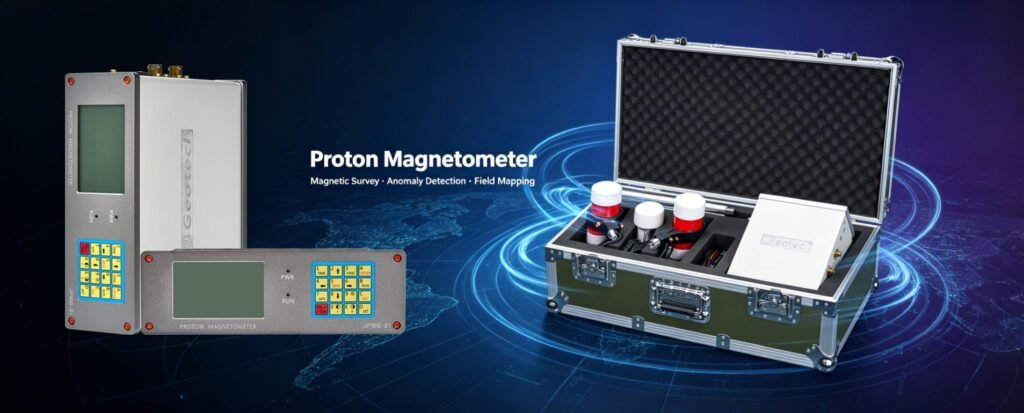
For example, the calibration of a geomagnetic survey magnetometer should be traceable to a national or international magnetic field standard. This ensures that the measurements taken by the magnetometer are accurate and comparable to other measurements. To achieve this, manufacturers use calibrated reference standards and follow established calibration procedures. By verifying the measurement accuracy through calibration traceability, users can have confidence in the data collected by the geomagnetic survey equipment.
2. Calibration Reliability Assurance
Calibration reliability assurance is about ensuring that the calibration of the geomagnetic survey equipment is reliable over time. This involves regular calibration of the equipment and maintaining records of the calibration history.
For instance, a geomagnetic survey company may have a schedule for calibrating their equipment at regular intervals. Each calibration event is recorded, including the date, the calibration standard used, and the results. This allows for the tracking of any changes in the equipment’s performance over time. If any issues are detected during calibration, the equipment can be repaired or replaced before it affects the quality of the geomagnetic survey data. By ensuring calibration reliability assurance, the overall reliability of the geomagnetic survey equipment is maintained.
Ⅵ. Certification – Driven Industry Development
1. Accreditation – Led Sector Growth
The standardization certification of geomagnetic survey equipment has a significant impact on industry development. Accreditation – led sector growth, or standard – based market evolution, is driven by the increased trust and confidence in certified equipment.
As more manufacturers obtain certification for their geomagnetic survey equipment, the overall quality of the equipment in the market improves. This leads to increased demand for certified equipment, as users prefer to use reliable and accurate devices. For example, in the mineral exploration industry, companies are more likely to invest in certified geomagnetic survey equipment to ensure the accuracy of their exploration data. This, in turn, drives the growth of the geomagnetic survey equipment industry, as manufacturers strive to meet the certification requirements and gain a competitive edge.
2. Standard – Based Market Evolution
Standard – based market evolution refers to the way the geomagnetic survey equipment market evolves based on the established standards and certifications. As new standards are developed and old ones are updated, the market responds by adapting to these changes.
For example, if a new international standard for geomagnetic survey equipment is introduced, manufacturers will need to update their products to meet this standard. This may involve new product designs, improved manufacturing processes, or enhanced quality control measures. The market then rewards these manufacturers who can meet the new standards, leading to a more innovative and competitive market. Over time, this standard – based market evolution results in a higher quality of geomagnetic survey equipment and better services for users.
Reference
- WIKI:https://en.wikipedia.org/wiki/Electrical_resistivity_tomography
- Society of Exploration Geophysicists (SEG) https://seg.org/
- Society of Environmental and Engineering Geophysicists (EEGS) https://www.eegs.org/
- Geology and Equipment Branch of China Mining Association http://www.chinamining.org.cn/
- International Union of Geological Sciences (IUGS) http://www.iugs.org/
- European Geological Survey Union (Eurogeosurveys) https://www.eurogeosurveys.org/