Welcome to Geotech!
-1.png)


The Integration Trend of Magnetometers and the Internet of Things
TIPS:The integration of magnetometer and IoT is unlocking new frontiers in smart magnetic sensing, enabling seamless remote monitoring with magnetometers across the globe. This article explores the technical architecture of this fusion, its impact on data transmission and analysis in IoT-magnetometer systems, and the key future trends shaping this rapidly evolving field.
I. Introduction: The Dawn of Intelligent Magnetic Sensing
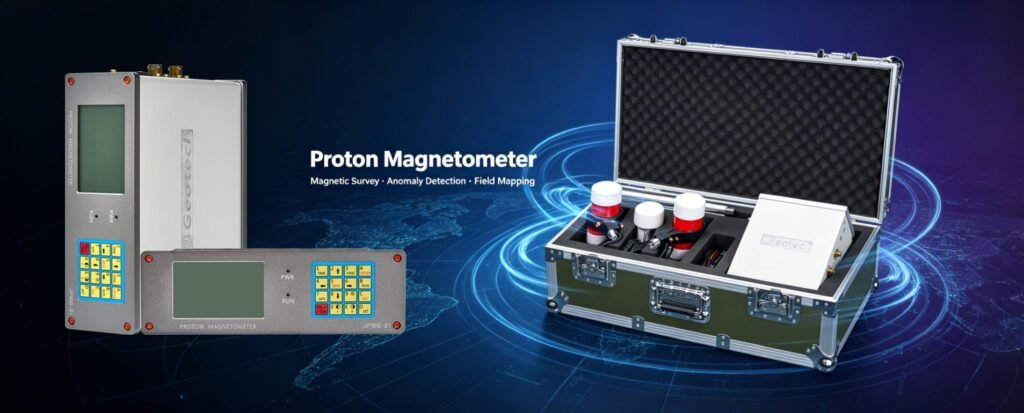
The rapid advancement of the Internet of Things (IoT) is reshaping industries, and geophysical instrumentation is no exception. A powerful synergy is emerging from the integration of magnetometer and IoT technologies, creating a new paradigm for data collection and analysis. This fusion is transforming standalone sensors into intelligent nodes within a vast, interconnected network. This article explores this groundbreaking convergence, examining how it enables smart magnetic sensing and facilitates remote monitoring with magnetometers. We will delve into the critical aspects of data transmission and analysis in IoT-magnetometer systems, and finally, gaze into the future trends of magnetometer-IoT integration that promise to redefine the boundaries of geophysical exploration and environmental monitoring.
II. The Core Synergy: Unpacking the Integration
The integration of magnetometer and IoT is more than just connecting a sensor to the internet. It represents a fundamental shift in how we approach magnetic field measurement. At its heart, this fusion of magnetic sensors with Internet of Things involves embedding magnetometers with:
- Connectivity Modules: 4G/5G, LoRaWAN, or satellite links that allow the sensor to transmit data in real-time from any location on the globe.
- Edge Computing Capabilities: Basic processing power at the sensor level to pre-process data, filter noise, and trigger alerts based on predefined thresholds before sending it to the cloud.
- Power Management Systems: Innovative solutions like solar panels and ultra-low-power electronics that enable long-term, autonomous operation in remote fields.
This transformation creates an IoT-magnetometer combination that is not just a measuring device, but a smart, decision-making node in a larger ecosystem.
III. Enabling Smart Functionality: The Rise of Intelligent Sensing
A primary outcome of this integration is the advent of smart magnetic sensing. This moves beyond simple data logging to proactive, intelligent observation.
- Adaptive Measurement: An intelligent magnetic detection system can adjust its own sampling rate based on conditions. During periods of magnetic calm, it might sample less frequently to save power. If it detects the onset of a magnetic storm or a significant local anomaly, it can instantly switch to a high-resolution mode.
- Anomaly Detection at the Edge: With smart magnetometer functionality, the device itself can run algorithms to identify potential significant events (e.g., a passing vehicle, equipment activation) and only send relevant data packets, drastically reducing data bandwidth and storage needs.
- Predictive Maintenance: The system can monitor its own health, predicting needed maintenance or calibration by tracking changes in its own noise floor or performance metrics.
IV. Breaking Geographical Barriers: The Power of Remote Monitoring
Perhaps the most immediate and impactful application is remote monitoring with magnetometers. This capability shatters traditional geographical and logistical constraints.
- Real-Time Data Access: Scientists and engineers can view data from a magnetometer array in a remote mineral exploration site or a volcanic monitoring station from their office in real-time. This enables immediate decision-making without the delay and cost of field visits.
- Large-Scale Deployment: Monitoring remotely using magnetic sensors allows for the deployment of vast, dense sensor networks over huge areas (e.g., for tectonic studies or national resource mapping) that would be logistically impossible to manage with traditional methods.
- Distant Surveillance with Magnetometers: Critical infrastructure like pipelines and electrical grids can be monitored for disturbances or unauthorized activity continuously and autonomously, enhancing security and safety.
V. The Data Pipeline: Transmission and Analysis in Connected Systems
The value of a connected sensor is realized through robust data transmission and analysis in IoT-magnetometer systems. This involves a seamless flow from measurement to insight.
- Data Transfer and Analysis in IoT-Magnetometer Setups: The journey begins with secure, reliable transmission from the sensor to a cloud platform or central server. This information flow in combined systems must be resilient to network dropouts, often employing local data buffering.
- Cloud-Based Analytics: Once in the cloud, powerful algorithms and machine learning models process the aggregated data from entire networks. This allows for the identification of large-scale trends, regional anomalies, and correlations that would be invisible when looking at a single sensor’s data.
- Visualization and Alerting: Processed data is presented through intuitive web dashboards, providing actionable insights. Automated systems can be configured to send SMS or email alerts when specific magnetic thresholds are breached, enabling a rapid response.
VI. Gazing into the Future: Trends and Prospects
The future trends of magnetometer-IoT integration point toward an even more connected and intelligent future.
- Artificial Intelligence (AI) Integration: AI will move beyond the cloud, with more sophisticated algorithms running directly on the sensors (edge AI) for instantaneous interpretation and response.
- Development of Swarm Sensing: Networks of thousands of low-cost, miniaturized IoT magnetometers will work in concert, providing ultra-high-resolution spatial and temporal data for both scientific and commercial applications.
- Blockchain for Data Security and Integrity: As data becomes more valuable, blockchain technology may be employed to ensure its immutability and traceability, which is critical for legal and commercial compliance.
- The Rise of Magnetic Sensing as a Service (MSaaS): Companies might subscribe to magnetic data from a provider’s distributed IoT network rather than deploying their own sensors, lowering the barrier to entry for many applications.
These prospects of magnetometer-IoT integration suggest a future where understanding the Earth’s magnetic field is continuous, comprehensive, and accessible to all.
VII. Conclusion: A Connected Future for Magnetic Sensing
The integration of magnetometer and IoT is not a mere technical upgrade; it is a revolutionary step that is unlocking unprecedented capabilities. By enabling smart magnetic sensing and facilitating global remote monitoring with magnetometers, this fusion is making magnetic data more accessible, actionable, and valuable than ever before. The sophisticated data transmission and analysis in IoT-magnetometer systems form the backbone of this new paradigm. As we look to the future trends of magnetometer-IoT integration, it is clear that this synergy will continue to drive innovation, creating a smarter, more connected, and more insightful understanding of our planet and the infrastructure upon which we rely.
Reference
- WIKI:https://en.wikipedia.org/wiki/Electrical_resistivity_tomography
- Society of Exploration Geophysicists (SEG) https://seg.org/
- Society of Environmental and Engineering Geophysicists (EEGS) https://www.eegs.org/
- Geology and Equipment Branch of China Mining Association http://www.chinamining.org.cn/
- International Union of Geological Sciences (IUGS) http://www.iugs.org/
- European Geological Survey Union (Eurogeosurveys) https://www.eurogeosurveys.org/