Welcome to Geotech!
-1.png)

Proton Precession Magnetometer Maintenance and Care: Secrets to Longevity
TIPS:Master Proton Precession Magnetometer maintenance with calibration, storage, troubleshooting, and cost – control tips. Ensure accuracy, longevity, and efficiency in geophysical applications.
Ⅰ. Introduction to Proton Precession Magnetometer Maintenance
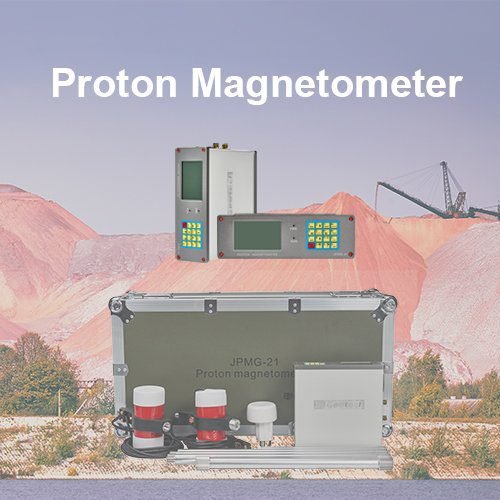
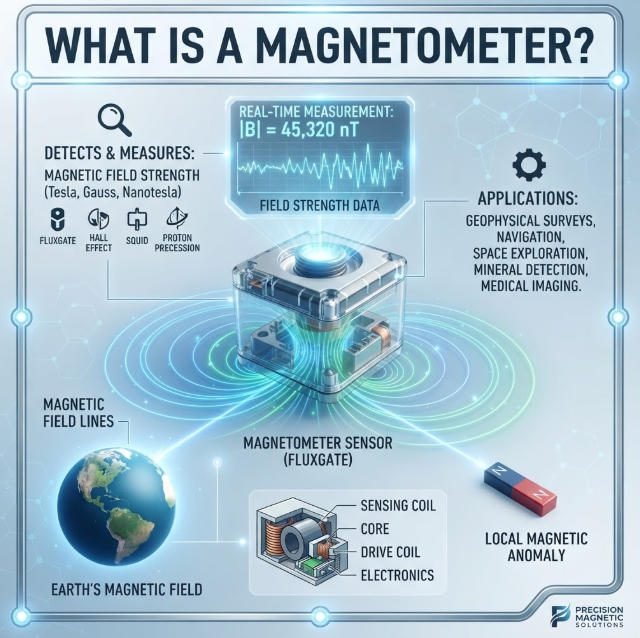
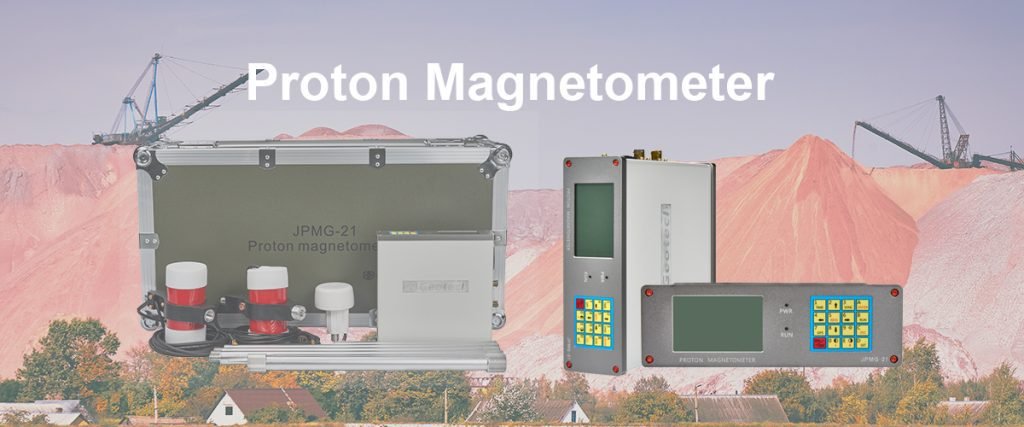
Proton precession magnetometers, critical for precise magnetic field measurements in geophysics, exploration, and research, demand diligent maintenance. Proper upkeep ensures accuracy, extends instrument lifespan, and controls operational costs. This guide delves into the essentials of maintaining these sensitive devices, from calibration to long – term storage.
Ⅱ. Instrument Calibration and Maintenance
2.1 Proton – Spin Sensor Upkeep and Nuclear Precession Magnetometer Care
Regular calibration is the cornerstone of proton precession magnetometer maintenance (proton – spin sensor upkeep, nuclear precession magnetometer care). These devices measure magnetic fields based on proton precession, and even minor drifts can skew results. Calibration involves comparing readings to a known reference field, adjusting internal settings to ensure accuracy.
For example, in geophysical surveys, a miscalibrated magnetometer might misinterpret geological magnetic anomalies, leading to costly exploration errors. By following manufacturer – recommended calibration schedules—typically quarterly or after significant transport—users ensure consistent, reliable data.
2.2 Device Adjustment, Care, and Equipment Uptkeep
Beyond calibration, routine device adjustment and care (device adjustment & care, equipment upkeep) preserve performance. This includes cleaning sensors to remove dust or debris, inspecting cables for damage, and verifying software/firmware updates.
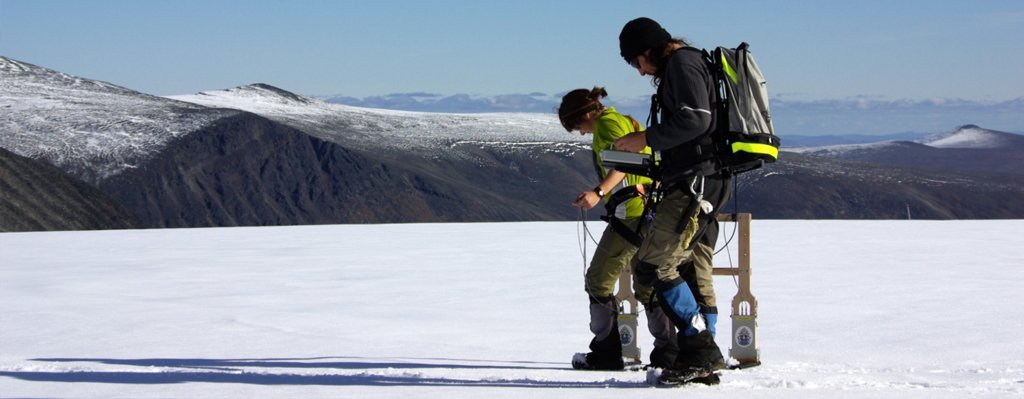
In field operations, exposure to dust, moisture, or extreme temperatures accelerates wear. Storing the magnetometer in a protective case and cleaning it post – use mitigates these risks. Regularly checking connections and power systems also prevents unexpected failures during critical measurements.
Ⅲ. Long – Term Storage Methods for Magnetometers
3.1 Extended – Period Keeping Approaches and Long – Term Preservation Techniques
Proper long – term storage (extended – period keeping approaches, long – term preservation techniques) is vital for unused or seasonal equipment. Before storage, fully discharge batteries to prevent corrosion, and store the device in a temperature – controlled, low – humidity environment.
For example, research institutions storing magnetometers between projects must avoid conditions that degrade components. Using desiccants in storage containers and periodically powering on the device to check functionality prevents issues like battery leakage or sensor drift.
3.2 Preparing for Reactivation After Storage
When reactivating a stored magnetometer, start with a full calibration and systems check. Batteries may need replacement, and sensors might require recalibration due to prolonged inactivity. This step ensures the device is ready for immediate, accurate use, avoiding delays in fieldwork or research.
Ⅳ. Troubleshooting Common Magnetometer Problems
4.1 Fixing Typical Issues and Solving Frequent Problems
Even with maintenance, proton precession magnetometers encounter issues. Common problems include erratic readings, power failures, or software glitches. Troubleshooting starts with isolating the cause:
- Erratic Readings: Check for external magnetic interference (e.g., from nearby electronics or metal structures) or sensor contamination.
- Power Failures: Inspect batteries, chargers, and connections. Replace faulty components promptly.
- Software Glitches: Reset the device or reinstall firmware.
In mining exploration, a power failure during a survey could halt operations. Carrying spare batteries and basic tools (e.g., multimeters) allows on – site troubleshooting, minimizing downtime.
4.2 Preventive Measures to Avoid Recurring Issues
Preventive measures reduce troubleshooting needs. This includes training operators to handle the device carefully, avoiding exposure to extreme conditions, and maintaining a log of maintenance and issues.
By documenting calibration dates, repairs, and operational notes, users identify patterns (e.g., frequent power issues in certain environments) and implement targeted solutions, like upgrading to ruggedized batteries or shielding sensors.
Ⅴ. Maintenance Cost Control for Proton Precession Magnetometers
5.1 Upkeep Expense Management and Care Cost Reduction
Controlling maintenance costs (upkeep expense management, care cost reduction) requires balancing preventive care with efficient repairs. Investing in high – quality protective gear (e.g., waterproof cases) reduces damage – related costs. Bulk – purchasing consumables (e.g., batteries) and training in – house staff for basic repairs also cut expenses.
For organizations with multiple magnetometers, centralizing maintenance schedules and sharing resources (e.g., calibration tools) optimizes costs. Outsourcing complex repairs only when necessary avoids overspending on routine tasks.
5.2 Balancing Quality and Cost in Maintenance
While cost control is important, cutting corners on maintenance risks accuracy and device lifespan. For example, using cheap, non – certified batteries might save money but cause frequent failures. Instead, prioritize value: invest in quality components and training to ensure long – term reliability, which ultimately reduces total cost of ownership.
Ⅵ. Case Studies: Effective Maintenance in Action
6.1 Geophysical Survey Team’s Success with Routine Calibration
A geophysical survey company reduced exploration errors by 30% after implementing quarterly calibration and pre – deployment checks. By training field staff to clean sensors and troubleshoot minor issues, they minimized costly downtime and rework.
6.2 Research Institute’s Long – Term Storage Best Practices
A research institute preserved magnetometers for 5+ years with no performance loss by following strict storage protocols: temperature/humidity control, battery discharge, and annual functionality checks. When reactivated, devices required minimal recalibration, saving time and resources.
Reference
- WIKI:https://en.wikipedia.org/wiki/Electrical_resistivity_tomography
- Society of Exploration Geophysicists (SEG) https://seg.org/
- Society of Environmental and Engineering Geophysicists (EEGS) https://www.eegs.org/
- Geology and Equipment Branch of China Mining Association http://www.chinamining.org.cn/
- International Union of Geological Sciences (IUGS) http://www.iugs.org/
- European Geological Survey Union (Eurogeosurveys) https://www.eurogeosurveys.org/