Welcome to Geotech!
-1.png)

Strategies to Enhance Proton Magnetometer Precision
TIPS :Enhance Proton Magnetometer precision with strategies like calibration optimization, environmental compensation, and advanced signal processing. Improve accuracy for geophysical surveys, exploration, and scientific research.
Ⅰ. Introduction to Proton Magnetometer Precision Enhancement
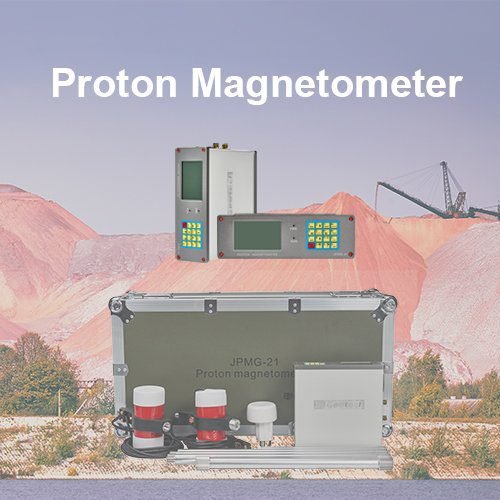
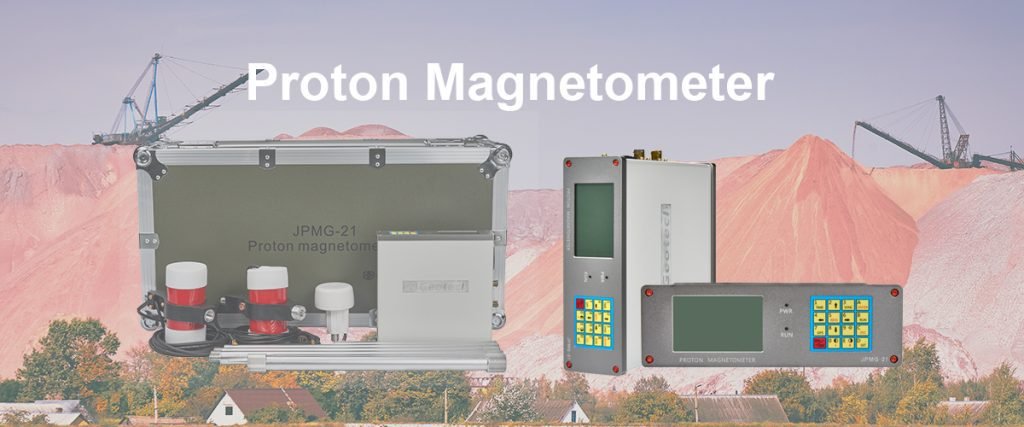
Proton magnetometers are critical for accurate magnetic field measurements in geophysics, resource exploration, and scientific research. To ensure reliable data, enhancing their precision is essential. This guide explores strategies like calibration optimization, environmental compensation, and advanced signal processing to boost the accuracy of proton magnetometers.
Ⅱ. Accuracy Improvement of Proton Magnetometers
2.1 Boosting Proton – Based Sensor Precision
Accuracy improvement of proton magnetometers (boosting proton – based sensor precision, enhancing proton magnetometer accuracy) starts with understanding their measurement principles. Proton magnetometers rely on proton precession in a magnetic field, so even minor disturbances can affect results.
Upgrading sensor components, such as using high – purity proton – rich fluids, reduces thermal noise and enhances signal clarity. In mineral exploration, a more precise sensor can detect subtle magnetic anomalies indicative of ore deposits, minimizing false positives and improving exploration efficiency.
2.2 Enhancing Precision Through Hardware and Software Synergy
Hardware upgrades alone aren’t enough—software optimization plays a key role. Advanced algorithms can filter out environmental noise (e.g., from power lines or nearby machinery) and refine raw data. For example, in urban geophysical surveys, noise – cancellation software ensures that magnetic field variations from geological structures aren’t masked by human – made interference.
By combining hardware enhancements with intelligent software, users achieve a significant boost in measurement accuracy, even in challenging environments.
Ⅲ. Calibration Optimization: Refining Adjustment Processes
3.1 Refining Adjustment Processes and Improving Calibration Methods
Calibration optimization (refining adjustment processes, improving calibration methods) is the cornerstone of precision. Regular calibration against known magnetic field standards ensures the magnetometer’s readings are accurate.
In scientific research, where precision is paramount, labs use primary magnetic field standards (e.g., Helmholtz coils) to calibrate proton magnetometers. Field – based calibration, using portable reference magnets, ensures accuracy during remote surveys. By documenting calibration procedures and results, users can track device performance over time and identify drift patterns.
3.2 Adaptive Calibration for Dynamic Environments
Environments change—temperature, humidity, and magnetic field variations impact calibration. Adaptive calibration techniques use real – time data to adjust for these changes. For example, in a survey spanning multiple geological zones, the magnetometer can auto – calibrate using known magnetic signatures, ensuring consistent accuracy across diverse terrains.
This adaptability reduces the need for manual recalibration, saving time and improving data reliability in the field.
Ⅳ. Environmental Factor Compensation: Offsetting External Influences
4.1 Offsetting External Influences and Compensating for Environmental Impacts
Environmental factor compensation (offsetting external influences, compensating for environmental impacts) addresses factors like temperature, pressure, and external magnetic fields. Proton magnetometers are sensitive to temperature changes, which can alter proton precession frequencies.
Thermal compensation systems, using temperature sensors and correction algorithms, adjust readings in real – time. In Arctic surveys, where temperatures fluctuate widely, this ensures accurate measurements despite extreme cold. Compensating for external magnetic fields—from nearby vehicles or geological anomalies—using software filters further refines data.
4.2 Multi – Sensor Fusion for Robust Compensation
Combining proton magnetometer data with other sensors (e.g., accelerometers, gyroscopes) provides a more comprehensive view of environmental influences. In airborne surveys, a magnetometer – inertial measurement unit (IMU) fusion compensates for aircraft motion, ensuring stable readings during turbulence.
This multi – sensor approach enhances precision by accounting for complex environmental interactions, making it ideal for dynamic survey conditions.
Ⅴ. Advanced Signal Processing Techniques: Cutting – Edge Info Handling
5.1 Cutting – Edge Info Handling Methods and Sophisticated Signal Processing
Advanced signal processing techniques (cutting – edge info handling methods, sophisticated signal processing) extract meaningful data from raw measurements. Wavelet transforms, for example, decompose magnetic field signals into frequency components, allowing users to isolate and analyze specific anomalies.
In archaeological surveys, these techniques help distinguish between faint magnetic signatures of buried structures and background noise. Machine learning algorithms, trained on historical data, can automatically identify patterns and anomalies, reducing human error and speeding up analysis.
5.2 Real – Time Processing for Immediate Insights
Real – time signal processing provides instant feedback during surveys. Geophysicists can adjust survey parameters on – the – fly, focusing on areas with high – priority anomalies. In deep – sea exploration, real – time processing of proton magnetometer data helps locate hydrothermal vents or mineral deposits quickly, optimizing survey efficiency.
By enabling immediate decision – making, advanced signal processing transforms raw data into actionable insights in the field.
Ⅵ. Precision – Oriented Design Improvements: Accuracy – Focused Upgrades
6.1 Accuracy – Focused Feature Upgrades and Precision – Enhancing Design Changes
Precision – oriented design improvements (accuracy – focused feature upgrades, precision – enhancing design changes) involve reengineering hardware for better performance. Miniaturized, high – sensitivity sensors reduce size and weight without compromising accuracy, making them ideal for portable surveys.
Shielding designs, using mu – metal or superconducting materials, protect sensors from external interference. In military applications, where precision is critical, shielded proton magnetometers ensure reliable readings in electromagnetic – dense environments.
6.2 User – Centered Design for Ease of Precision Maintenance
Designing proton magnetometers with user – friendly calibration and maintenance features ensures long – term precision. Modular components allow easy replacement of aging parts, and intuitive software interfaces guide users through calibration and data analysis.
By prioritizing user experience in design, manufacturers empower operators to maintain high precision with minimal training, ensuring consistent performance across diverse projects.
Ⅶ. Case Studies: Precision Enhancement in Action
7.1 Mineral Exploration Accuracy Boost
A mining company optimized a proton magnetometer for mineral exploration by upgrading sensors, implementing advanced signal processing, and using adaptive calibration. The result: a 30% improvement in anomaly detection accuracy, leading to the discovery of a previously undetected gold deposit.
7.2 Archaeological Survey Precision Gains
In an archaeological survey, researchers used environmental compensation and wavelet transforms to enhance proton magnetometer data. This revealed faint magnetic signatures of a buried Roman villa, enabling precise excavation and historical reconstruction.
Reference
- WIKI:https://en.wikipedia.org/wiki/Electrical_resistivity_tomography
- Society of Exploration Geophysicists (SEG) https://seg.org/
- Society of Environmental and Engineering Geophysicists (EEGS) https://www.eegs.org/
- Geology and Equipment Branch of China Mining Association http://www.chinamining.org.cn/
- International Union of Geological Sciences (IUGS) http://www.iugs.org/
- European Geological Survey Union (Eurogeosurveys) https://www.eurogeosurveys.org/