Welcome to Geotech!
-1.png)

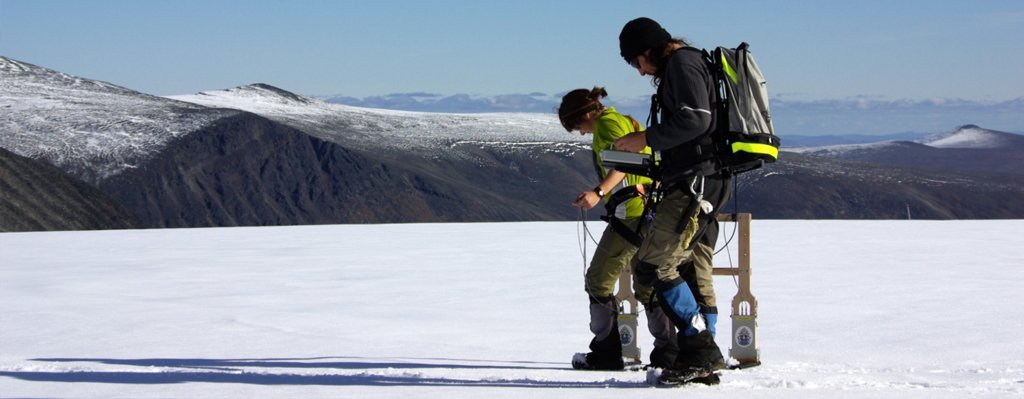
What is Resistivity Meters: Unraveling Their Role in Geophysics, Environmental Testing
TIPS:Wondering what resistivity meters are and their role in geophysics? This guide explains the basics, how they work, and their applications in exploration, environmental assessment, and engineering. It covers types like portable and high-precision meters, plus key features. Whether you’re into Electrical Resistivity Tomography (ERT), Resistivity Imaging, or methods like High-Density Electrical Method and Vertical Electrical Sounding (VES), this article has you covered.
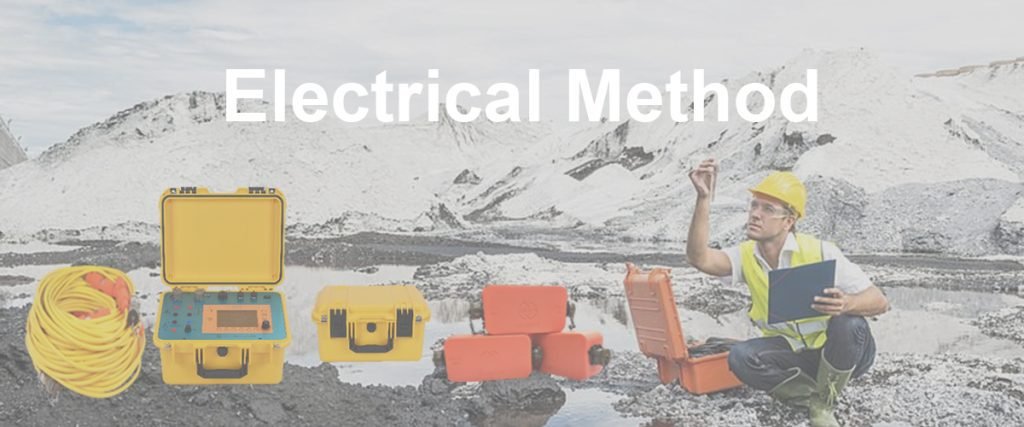
1. Understanding the Basics of Resistivity
Resistivity is a fundamental property of materials that measures their opposition to the flow of electric current. In simple terms, it indicates how well a material resists the passage of electrons. Different materials have different resistivity values; for example, metals like copper and aluminum have low resistivity, making them good conductors of electricity, while materials such as rubber and glass have high resistivity and are considered insulators.
The resistivity (ρ) of a material is defined by the formula

where R is the electrical resistance of a sample of the material, A is the cross – sectional area through which the current is flowing, and L is the length of the current path.
2. How Resistivity Meters Work
Resistivity meters are designed to measure the resistivity of materials. They typically operate on the principle of injecting an electric current into the material under test and then measuring the resulting potential difference. By applying Ohm’s law (V=IR, where V is the potential difference, I is the current, and R is the resistance), and using the geometric factors related to the electrode configuration (which determines the effective A and L values for the measurement), the resistivity of the material can be calculated.
There are different types of electrode configurations used in resistivity meters. One common configuration is the Wenner array, which consists of four equally spaced electrodes. A current is passed through the outer two electrodes, and the potential difference is measured between the inner two electrodes. The Schlumberger array is another popular configuration, which also uses four electrodes but with a different spacing arrangement for the current – injecting and potential – measuring electrodes.
3. Applications of Resistivity Meters
3.1 Geophysical Exploration
3.1.1 Mineral Exploration
Resistivity meters are extensively used in mineral exploration. Different minerals have distinct resistivity characteristics. For example, sulfide minerals, which are often associated with valuable metal deposits such as copper, lead, and zinc, typically have lower resistivity compared to the surrounding host rocks. By conducting resistivity surveys using resistivity meters, geophysicists can identify anomalies in the subsurface resistivity. These anomalies may indicate the presence of mineral – bearing structures, helping mining companies to target areas for further exploration.
3.1.2 Groundwater Exploration
In the search for groundwater, resistivity meters are invaluable tools. Water – saturated soils and rocks generally have lower resistivity than dry or less – saturated materials. Resistivity surveys can map out the distribution of subsurface resistivity, allowing hydrogeologists to identify potential aquifers. The vertical electrical sounding (VES) method, which is a type of resistivity survey, can provide information about the depth and thickness of different subsurface layers, including those that may contain water.
3.2 Environmental Site Assessment
3.2.1 Detecting Contaminant Plumes
Resistivity meters can be used to detect the presence and extent of contaminant plumes in the soil and groundwater. Contaminants such as heavy metals, organic pollutants, and industrial chemicals can alter the electrical properties of the subsurface materials. For example, if an area is contaminated with saline wastewater, the resistivity of the soil and groundwater in that area will decrease. By measuring the resistivity changes across a site, environmental scientists can identify the location and spread of contaminant plumes, which is crucial for environmental remediation efforts.
3.2.2 Monitoring Landfill Leachate
Landfills are potential sources of environmental contamination. Leachate, the liquid that drains from landfills, can contain a variety of pollutants. Resistivity meters can be used to monitor the movement of landfill leachate. As the leachate migrates through the soil, it changes the soil’s resistivity. By placing resistivity electrodes around a landfill, environmental engineers can track the spread of leachate and take appropriate measures to prevent further contamination of the surrounding environment.
3.3 Engineering Surveys
3.3.1 Foundation Investigation
When constructing buildings, bridges, or other structures, it is essential to understand the properties of the subsurface soil and rock. Resistivity meters can be used to map the subsurface layers and identify potential problems such as soft soil layers, cavities, or areas with high water content. For example, if a soft soil layer with low resistivity is detected beneath a proposed building site, engineers may need to design a more robust foundation system to ensure the stability of the structure.
3.3.2 Road Construction
In road construction, resistivity meters can help in assessing the quality of the subgrade. A uniform resistivity profile indicates a homogeneous subgrade, while anomalies may suggest the presence of weak spots or pockets of moisture. This information is used to determine whether the subgrade needs to be treated, for example, by compacting, draining, or adding stabilizing materials, to ensure the long – term durability of the road.
4. Types of Resistivity Meters
4.1 Portable Resistivity Meters
Portable resistivity meters are compact and lightweight, making them easy to carry to field sites. They are often battery – powered, which provides flexibility in areas where access to mains power is limited. These meters are suitable for small – scale surveys, such as those carried out in environmental site assessments of relatively small areas or in preliminary geophysical investigations. They typically have a limited range of electrode configurations but can still provide valuable resistivity data for quick – turnaround projects.
4.2 High – Precision Resistivity Meters
High – precision resistivity meters are designed for applications where accurate and detailed resistivity measurements are required. They often have advanced features such as multiple electrode configurations, high – resolution current and voltage measurements, and sophisticated data processing capabilities. These meters are used in large – scale geophysical surveys, deep – groundwater exploration projects, and in research applications where precise knowledge of subsurface resistivity is crucial.
4.3 Multi – channel Resistivity Meters
Multi – channel resistivity meters can measure resistivity at multiple locations simultaneously. This significantly increases the efficiency of resistivity surveys, especially in large – scale projects. They are equipped with multiple electrode cables and data acquisition channels, allowing for the rapid collection of a large amount of resistivity data. These meters are commonly used in mineral exploration over large areas, where time – efficient data collection is essential for cost – effective exploration.
5. Key Features to Look for in Resistivity Meters
5.1 Measurement Range
The measurement range of a resistivity meter is an important consideration. It should be able to measure resistivity values relevant to the intended application. For example, in geophysical exploration, where resistivity values of rocks and soils can vary over several orders of magnitude, a meter with a wide measurement range is required. A good resistivity meter should be able to measure from very low resistivity values

5.2 Accuracy and Precision
Accuracy refers to how close the measured value is to the true value, while precision refers to the repeatability of the measurements. In applications such as environmental site assessment and geophysical exploration, high accuracy and precision are crucial. A resistivity meter with high accuracy will provide reliable data for making decisions about the presence of contaminants, the location of mineral deposits, or the properties of subsurface materials. High – quality resistivity meters typically have an accuracy of within a few percent of the measured value.
5.3 Electrode Configuration Options
As mentioned earlier, different electrode configurations are used in resistivity measurements. A versatile resistivity meter should offer multiple electrode configuration options, such as Wenner, Schlumberger, dipole – dipole, and pole – dipole arrays. This allows the user to choose the most appropriate configuration for the specific application and the characteristics of the subsurface being investigated.
5.4 Data Logging and Storage
Modern resistivity meters often come with data logging and storage capabilities. This is useful for collecting and storing large amounts of resistivity data in the field. The data can then be transferred to a computer for further analysis. Some meters also have built – in software for basic data processing, such as filtering out noise and calculating resistivity values from the measured current and voltage data.
6. Resistivity Meters in the Market
The market for resistivity meters is diverse, with several manufacturers offering a range of products. Geotech Instrument Co., Ltd. is one such company that provides high – quality resistivity – related exploration instruments. Their products are designed to meet the needs of various industries, from geophysics to environmental testing and engineering surveys.
When choosing a resistivity meter, it is important to consider the reputation of the manufacturer, the quality of the product, and the after – sales support. A reliable manufacturer will offer products that are well – designed, durable, and backed by good customer service.
7. Conclusion
Resistivity meters are essential tools in geophysics, environmental testing, and engineering surveys. They provide valuable information about the electrical properties of materials, which can be used to identify mineral deposits, locate groundwater sources, detect environmental contaminants, and assess the suitability of sites for construction. With the continuous development of technology, resistivity meters are becoming more advanced, offering higher accuracy, more versatile electrode configurations, and better data – handling capabilities. Geotech Instrument Co., Ltd. is at the forefront of providing such advanced exploration instruments, contributing to the success of projects in these important industries. Whether you are involved in a small – scale environmental assessment or a large – scale geophysical exploration project, choosing the right resistivity meter is crucial for obtaining accurate and useful results.
Reference
- Society of Exploration Geophysicists (SEG) https://seg.org/
- Society of Environmental and Engineering Geophysicists (EEGS) https://www.eegs.org/
- Geology and Equipment Branch of China Mining Association http://www.chinamining.org.cn/
- International Union of Geological Sciences (IUGS) http://www.iugs.org/
- European Geological Survey Union (Eurogeosurveys) https://www.eurogeosurveys.org/
