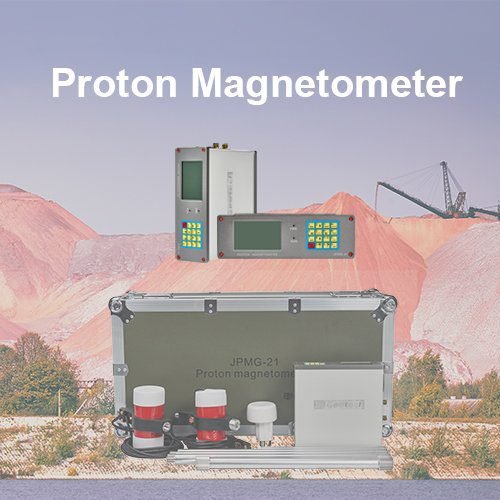
Welcome to Geotech!
-1.png)


Proton Precession Magnetometer: A New Paradigm in Green Manufacturing
TIPS:Proton precession magnetometers are leading green manufacturing. With energy – efficient design, recyclable materials, and carbon – neutral processes, they set a new paradigm. As eco – friendly tech, these magnetometers drive sustainable innovation in geoscience, showcasing green – focused development for a better future. Discover how they redefine manufacturing sustainability.
Ⅰ. Introduction to Proton Precession Magnetometer and Green Manufacturing
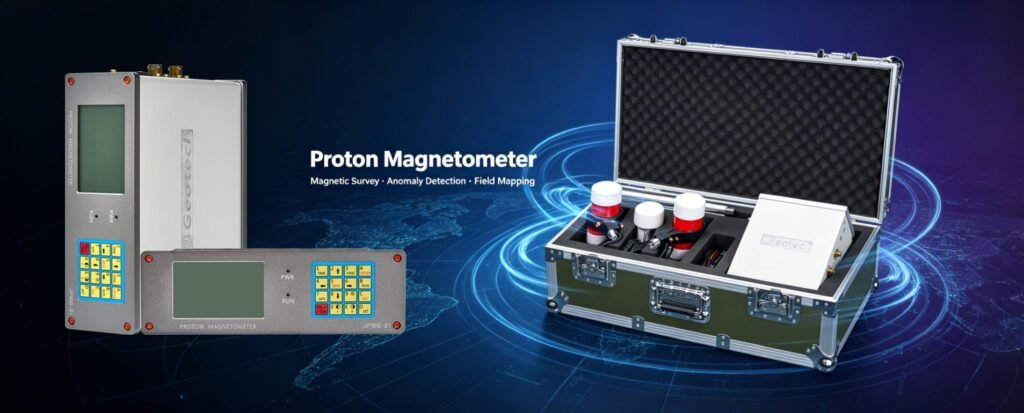
The proton precession magnetometer is a crucial device in geophysical exploration and magnetic field measurement. In recent years, its integration with green manufacturing principles has opened up new avenues. Green manufacturing of proton precession magnetometer, also known as eco – friendly production of proton – spin sensor or sustainable manufacturing, aims to reduce the environmental impact of producing these magnetometers.
This involves a series of environmentally – conscious measures, from energy – efficient design to the use of recyclable materials. As the demand for sustainable technologies grows, the proton precession magnetometer is emerging as a new model in green manufacturing, aligning with global efforts to create a more sustainable future in the tech and geoscience industries.
Ⅱ. Energy – Efficient Magnetometer Design
1. Low – Power Sensor Creation
Energy – efficient magnetometer design is a key aspect of green manufacturing for proton precession magnetometers. Low – power sensor creation, or energy – saving device engineering, focuses on reducing the energy consumption of the magnetometer during its operation.
Engineers are developing new circuit designs and using low – power components to ensure that the proton precession magnetometer uses less energy. For example, by optimizing the power management system, the magnetometer can enter a low – power standby mode when not in use, significantly reducing energy consumption. This not only lowers the operational cost but also reduces the carbon footprint associated with using the device.
2. Energy – Saving in the Manufacturing Process
Energy efficiency is not limited to the operation of the magnetometer; it also extends to the manufacturing process. Energy – efficient magnetometer design includes reducing the energy used in production facilities. This can be achieved through the use of energy – efficient machinery, optimized production layouts, and renewable energy sources.
For instance, manufacturing plants can install solar panels to power part of the production process, reducing reliance on fossil fuels. By minimizing energy use in manufacturing, the overall environmental impact of producing proton precession magnetometers is reduced, making them more sustainable.
Ⅲ. Recyclable Material Application
1. Reusable Substance Use
Recyclable material application is another important pillar of green manufacturing for proton precession magnetometers. Reusable substance use, or sustainable material integration, involves using materials that can be recycled or reused at the end of the magnetometer’s life cycle.
In the production of proton precession magnetometers, manufacturers are increasingly using materials such as recycled plastics and metals. For example, the casing of the magnetometer can be made from recycled plastic, which reduces the demand for new plastic production and diverts waste from landfills. This not only conserves natural resources but also reduces the environmental impact of waste disposal.
2. Sustainable Material Integration in Design
Sustainable material integration goes beyond just using recycled materials; it also involves designing the magnetometer for easy disassembly and recycling. By considering the end – of – life stage during the design process, manufacturers can ensure that different components of the proton precession magnetometer can be easily separated and recycled.
For example, the electronic components and the casing can be designed to be easily disassembled, allowing for the recycling of valuable materials. This cradle – to – cradle approach ensures that the environmental impact of the magnetometer is minimized throughout its entire life cycle.
Ⅳ. Carbon – Neutral Production Process
1. Zero – Carbon Manufacturing
The carbon – neutral production process is a bold step towards green manufacturing of proton precession magnetometers. Zero – carbon manufacturing, or climate – friendly production, aims to balance the carbon emissions generated during the production process with carbon removal or offsetting measures.
Manufacturers can achieve this by implementing energy – efficient practices, using renewable energy, and investing in carbon offset projects. For example, a manufacturing plant producing proton precession magnetometers can purchase carbon offsets to compensate for the carbon emissions generated during production. This ensures that the overall carbon footprint of the production process is neutral, contributing to global efforts to combat climate change.
2. Reducing Carbon Emissions in Production
Reducing carbon emissions in production is an essential part of achieving a carbon – neutral process. This can be done through various measures, such as improving energy efficiency, using low – carbon materials, and optimizing transportation.
For instance, by sourcing materials locally, manufacturers can reduce the carbon emissions associated with transporting raw materials. Additionally, using electric vehicles for transportation within the production facility can further reduce carbon emissions. By focusing on reducing carbon emissions at every stage of production, the proton precession magnetometer industry can move towards a more sustainable future.
Ⅴ. Environmentally – Conscious Technology and Innovation
1. Eco – Aware Innovation in Magnetometer Development
Environmentally – conscious technology, or eco – aware innovation, is driving the development of proton precession magnetometers in green manufacturing. This involves developing new technologies and innovative solutions to reduce the environmental impact of the magnetometers.
For example, researchers are exploring the use of new materials with lower environmental impact, such as biodegradable polymers for certain components of the magnetometer. Additionally, new manufacturing techniques are being developed to reduce waste and energy consumption. These eco – aware innovations are not only making the proton precession magnetometer more sustainable but also driving the industry towards a greener future.
2. Green – Focused Development for a Sustainable Future
Green – focused development is at the heart of the new paradigm in proton precession magnetometer manufacturing. This approach ensures that every aspect of the magnetometer’s life cycle, from design to disposal, is considered with sustainability in mind.
Manufacturers, researchers, and policymakers are working together to create a framework for green manufacturing of proton precession magnetometers. This includes setting standards for energy efficiency, recyclable material use, and carbon neutrality. By focusing on green – focused development, the proton precession magnetometer industry can play a significant role in creating a more sustainable future for the geoscience and technology sectors.
Reference
- WIKI:https://en.wikipedia.org/wiki/Electrical_resistivity_tomography
- Society of Exploration Geophysicists (SEG) https://seg.org/
- Society of Environmental and Engineering Geophysicists (EEGS) https://www.eegs.org/
- Geology and Equipment Branch of China Mining Association http://www.chinamining.org.cn/
- International Union of Geological Sciences (IUGS) http://www.iugs.org/
- European Geological Survey Union (Eurogeosurveys) https://www.eurogeosurveys.org/