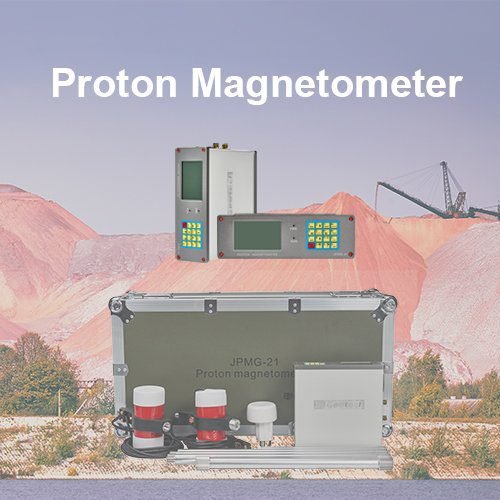
Welcome to Geotech!
-1.png)

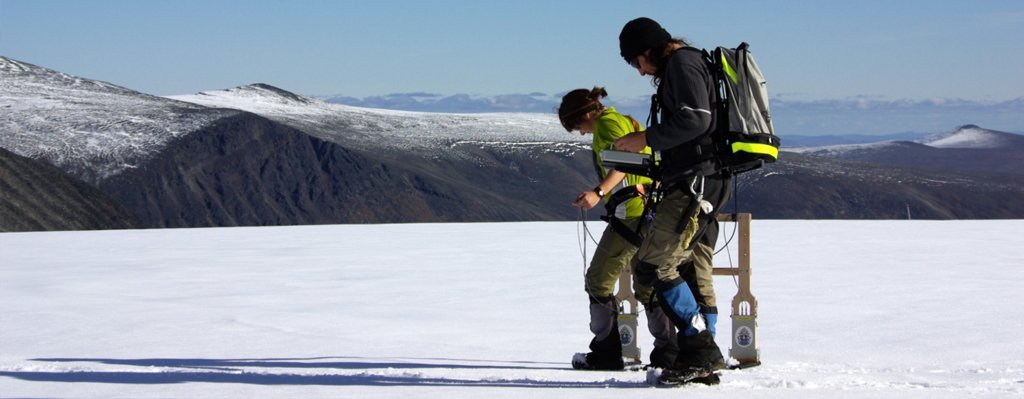
Complete Power Protection System Design for Unmanned Zone Exploration: From Generation to Terminal Protection
Introduction: In the Hoh Xil no-man’s land, the depths of the Taklamakan Desert, or the northern Tibetan Plateau, exploration teams often operate hundreds of kilometers from the nearest power grid. Designing a reliable, efficient, and mobile complete power system becomes critical to project success. Based on field experience from multiple unmanned zone projects, this article details the complete solution architecture from generation to terminal protection.

I. Four Major Challenges of Unmanned Zone Power Systems
Unmanned zone exploration faces fundamentally different power challenges compared to conventional field operations:
1. No Grid Power Available, Fully Autonomous Generation
The nearest grid connection is often over 200 kilometers away. Diesel generation becomes the primary power source, but fuel resupply is difficult. In a northern Tibet project, the closest gas station was 380 kilometers from camp, requiring 3 days for tanker round trips, with fuel costs 40% higher than inland areas.
2. Extreme Climate, High Equipment Reliability Requirements
- High Altitude: Above 4,500 meters, thin air reduces diesel generator output by 25%-30% and decreases cooling efficiency
- Extreme Cold: Below -30°C, battery capacity drops sharply, lubricant viscosity increases, and starting becomes difficult
- High Temperature: Desert surface temperatures exceed 60°C, causing frequent thermal protection triggers
- Dust Storms: PM10 concentrations exceed 1,000μg/m³, threatening precision circuits with short circuits
3. Complex Equipment Clusters, Diverse Power Demands
Modern 3D seismic or electromagnetic surveys typically involve:
- Precision instruments: MTU, seismographs, GPS receivers (1-5KVA, requiring clean power)
- Auxiliary equipment: drilling rigs, air compressors, lighting systems (30-100KVA, high starting surge)
- Camp facilities: communication equipment, medical devices, living quarters (10-20KVA, continuous stable supply)
4. Frequent Relocation, Rapid Deployment Required
Exploration survey lines advance quickly, with camps potentially relocating every 3-7 days. Power systems must be dismantled, transported, redeployed, and commissioned within 4 hours.
II. Three-Tier Architecture: From Generation to Terminal Protection
Based on these challenges, unmanned zone exploration recommends a “generation-storage/distribution-protection” three-tier architecture:
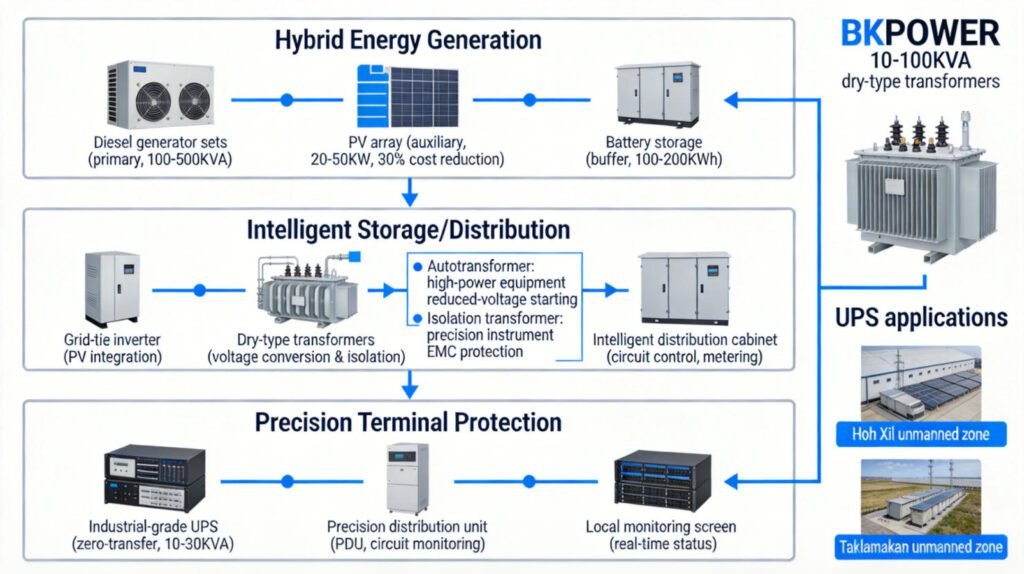
III. Tier 1: Hybrid Generation System Design and Selection
Diesel Generator Sets: Key Selection Criteria for Primary Power
| Parameter | Unmanned Zone Requirement | Standard Unit | Selection Recommendation |
|---|---|---|---|
| Altitude Power Correction | No derating at 4,500m or <15% derating | Standard 3,000m derating | Select high-altitude turbocharged units |
| Low-Temperature Starting | -30°C without auxiliary starting | Standard -15°C | Equipped with intake preheating + coolant heating |
| Fuel Tank Capacity | 7-10 days full-load operation | 8 hours | Oversized tank or auxiliary fuel storage |
| Protection Rating | IP54 (dust and water resistant) | IP23 | Select containerized silent units |
| Parallel Capability | Support 2-4 unit paralleling | Single unit | Modular expansion for improved reliability |
PV + Storage: Economics of Auxiliary Power
In unmanned zones with abundant solar resources (such as northwest deserts, Qinghai-Tibet Plateau), PV can handle 30%-40% of daytime loads, significantly reducing fuel consumption.
In a northern Tibet 3D seismic project, deploying a 50KW PV + 150KWh storage hybrid system with an intelligent PV-diesel complementary controller achieved daytime PV priority with diesel backup at night, reducing fuel consumption by 35% and saving over 800,000 RMB annually in transportation costs. BKPOWER’s unmanned zone hybrid power solutions cover complete equipment for PV integration, storage management, and diesel paralleling control, supporting flexible 10-100KVA power configurations.
IV. Tier 2: Intelligent Storage/Distribution and Transformer Selection
Tier 2 serves as the “hub” of the power system, handling voltage conversion, electrical isolation, and intelligent distribution.
Core Advantages of Dry-Type Transformers in Unmanned Zones
| Advantage Dimension | Technical Implementation | Unmanned Zone Value |
|---|---|---|
| Maintenance-Free | Oil-free medium, no filtering/oil replenishment | Reduced technical staffing, lower O&M difficulty |
| Wide-Temperature Operation | -20°C to 50°C stable operation | Adapts to extreme environments with 40°C day-night temperature swings |
| Fire Safety | Class F insulation, self-extinguishing flame retardant | Dense camp layouts, eliminates fire hazards |
| Modular Design | 10-100KVA specifications complete | Flexible combination based on project scale |
| Rapid Deployment | Foundation-free installation, crane positioning | Power reconstruction within 4 hours of camp relocation |
Voltage Conversion Solutions: Coordinated Application of Autotransformer vs. Isolation
| Application Scenario | Transformer Type | Selection Rationale | Typical Specification |
|---|---|---|---|
| High-power drilling rig/air compressor starting | Dry-type autotransformer | Reduced-voltage starting, 60% lower starting current, protects generator | 50-100KVA, 380V/220V |
| Precision geophysical instrument power | Dry-type isolation transformer | Blocks ground loops, CMRR≥60dB, ensures data quality | 10-30KVA, 1:1 isolation |
| Camp lighting/living quarters | Dry-type autotransformer | 30% lower cost, 40% smaller size, meets general isolation needs | 20-50KVA, flexible ratios |
For flexible voltage conversion requirements, dry-type autotransformers achieve multi-voltage output through single-winding tap structures, saving 30% copper material and reducing weight by 40% compared to isolation transformers at the same capacity—particularly suitable for vehicle-mounted mobile exploration operations. BKPOWER’s dry-type autotransformer series supports 220V/380V/400V multi-voltage taps with reversible input/output connections, meeting complex distribution needs in unmanned zones.
V. Tier 3: Terminal Protection and Precision Distribution
Tier 3 serves as the “last line of defense” for precision instruments, requiring zero-transfer, clean power supply, and intelligent monitoring.
Unmanned Zone Adaptability of Industrial-Grade UPS
| Functional Requirement | Technical Specification | Unmanned Zone Special Requirements |
|---|---|---|
| Zero-Transfer Backup | Online double-conversion, 0ms transfer time | Seamless takeover during generator failure, data protection |
| Wide Voltage Input | Allows ±30% voltage fluctuation | Adapts to generator frequency drift and load transients |
| Wide-Temperature Operation | -20°C to 50°C | Battery heating management in extreme cold |
| Battery Management | Intelligent charge/discharge, temperature compensation | Low-temperature tolerant LiFePO4 or gel batteries |
| Remote Monitoring | RS485/4G communication | Centralized camp monitoring of UPS status at each survey point |
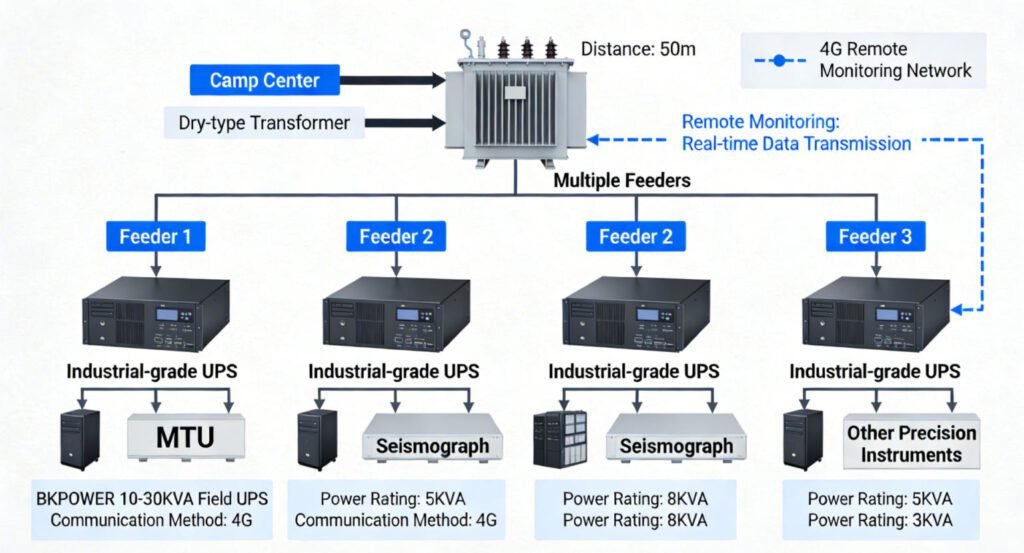
Precision Distribution Unit (PDU) Selection
For distributed equipment such as MTU arrays or seismograph strings, recommended configuration includes:
- Branch circuit breakers: Independent protection, fault isolation
- Power metering: Energy monitoring at each survey point, optimizing operating costs
- Surge protection: SPD modules, addressing high-altitude lightning strikes
VI. System Integration and Rapid Deployment Solutions
Containerized Power Cabin: Optimal Solution for Unmanned Zones
Integrating transformers, distribution cabinets, and UPS into standard containers (20ft or 40ft) achieves:
- Factory Pre-fabrication: Pre-commissioned and transported complete, plug-and-play at site
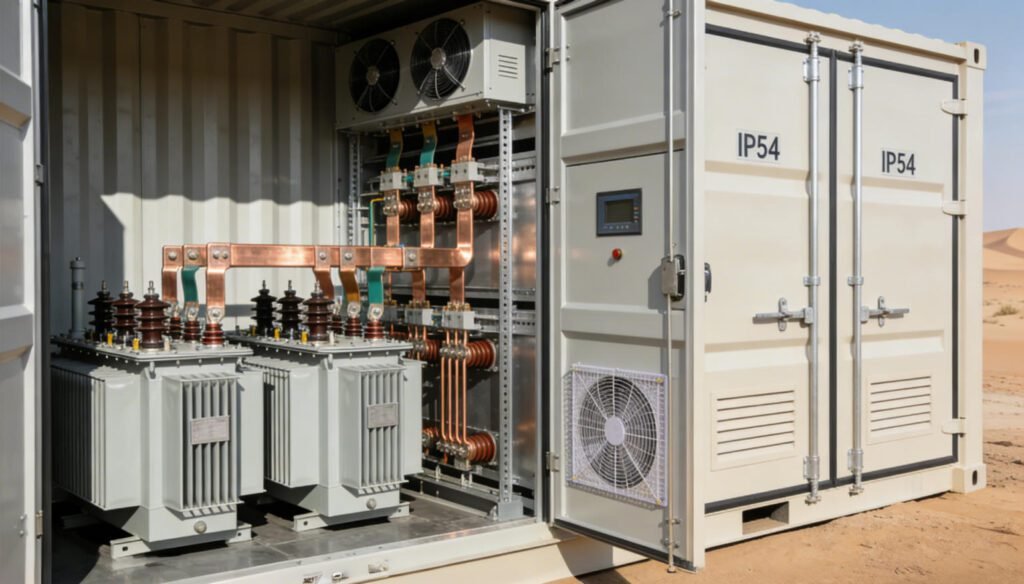
- Enhanced Protection: IP54 rating with built-in air conditioning/ventilation, adapting to dust environments
- Rapid Relocation: Crane lifting for complete units, camp transfer within 4 hours
- Safety Compliance: Meets GB/T 17467 box substation standards, CCC certified
For unmanned zone rapid deployment requirements, BKPOWER provides containerized integrated power cabin solutions, pre-installing dry-type transformers, intelligent distribution, UPS, and monitoring systems in protective enclosures. After transport to site, only input/output cable connections are required for commissioning. The cabin utilizes a labyrinth dust-proof air intake structure and automatic temperature control system, achieving 180 consecutive days of fault-free operation in a Taklamakan Desert project. Learn more about unmanned zone dedicated integrated power cabins at the BKPOWER official website.
VII. Case Study: Hoh Xil 3D Electromagnetic Survey Project
Project Background
- Location: Hoh Xil National Nature Reserve buffer zone
- Environment: 4,800m altitude, -35°C to 25°C extreme temperature range, no grid coverage
- Duration: 90 consecutive days of operation
- Equipment: 20 MTU units, 2 controlled-source transmitters, camp facilities
Power Solution Configuration
| Tier | Equipment Configuration | Key Parameters |
|---|---|---|
| Generation | 200KVA high-altitude diesel sets × 2 (one operational, one standby) + 30KW PV | Parallel operation, PV contribution 25% |
| Storage/Distribution | 100KVA dry-type autotransformer (reduced-voltage starting) + 30KVA dry-type isolation transformers × 2 (instrument isolation) | Wide temperature -25°C to 50°C, IP54 |
| Terminal | 20KVA industrial UPS × 20 units (distributed) + precision PDU | LiFePO4 batteries, 4G monitoring |
Operational Results
- Fuel consumption: 28% savings compared to pure diesel solution
- Data integrity: 99.5% MTU acquisition completion rate, zero power-related failures
- Relocation efficiency: 4.5 hours for camp transfer and power reconstruction
- Environmental compliance: Oil-free dry-type transformers passed protected area environmental assessment
VIII. Conclusion
Power protection for unmanned zone exploration is a battle against extreme environments. Through the three-tier architecture of “hybrid generation-intelligent storage/distribution-precision protection,” combined with the wide-temperature adaptability of dry-type transformers and zero-transfer protection of UPS, reliable, economical, and mobile power systems can be constructed. When designing solutions, fully consider special constraints such as fuel resupply, equipment relocation, and environmental compliance, and collaborate deeply with professional power supply manufacturers for optimal configuration.
【Backlink Insertion Point 4】
BKPOWER has focused on industrial power for over a decade, with unmanned zone exploration power solutions serving geological survey projects in Hoh Xil, Lop Nur, Qiangtang, and other national-level protected areas. Products cover complete 10-100KVA dry-type transformer series (autotransformer/isolation), industrial-grade wide-temperature UPS, PV hybrid generation systems, and containerized integrated power cabins, supporting -20°C to 50°C wide-temperature operation and 4-hour rapid deployment. For unmanned zone project power solution consultation, please visit the BKPOWER official website or contact the technical team.
This article is based on field experience from unmanned zone projects in Hoh Xil, Taklamakan, and northern Tibet, with technical solutions jointly validated by the Geotech geological exploration equipment team and BKPOWER power experts.