Welcome to Geotech!
-1.png)


Services
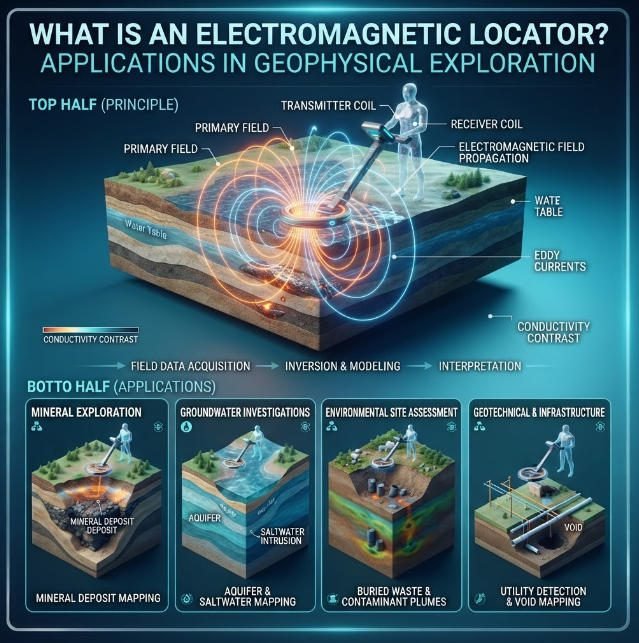
What is an Electromagnetic Locator? Applications in Geophysical Exploration
Overview:An electromagnetic locator detects subsurface targets through electrical property contrasts and electromagnetic field propagation. Electromagnetic locator technologies including ERT, DC sounding and IP deliver non-invasive subsurface mapping for mining, karst and utility engineering projects. Ⅰ. Definition and Core Principles 1.…
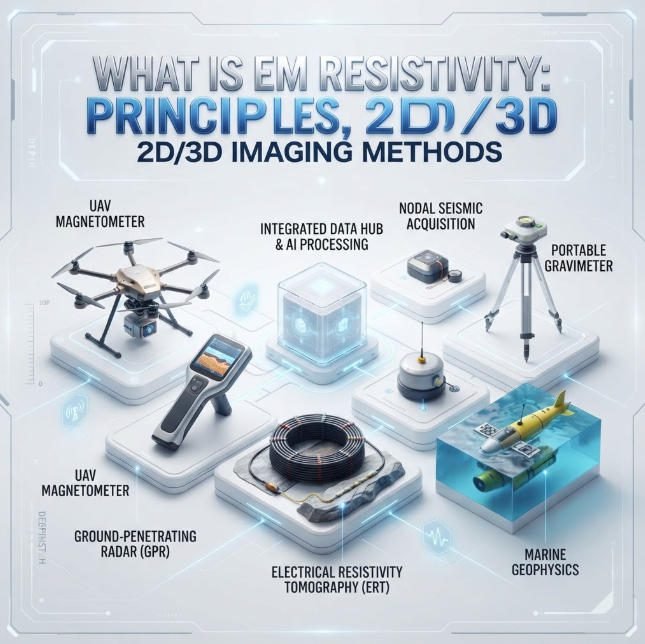
What is EM Resistivity: Principles, 2D/3D Imaging Methods
Overview:This guide explores electrical resistivity tomography fundamentals for near-surface geophysical investigation. It details electrical resistivity tomography workflows, evaluates 2D/3D resistivity imaging performance, and compares 2D/3D resistivity imaging tradeoffs across mining, geotechnical and infrastructure engineering scenarios. Ⅰ. Definition and Core Principles…
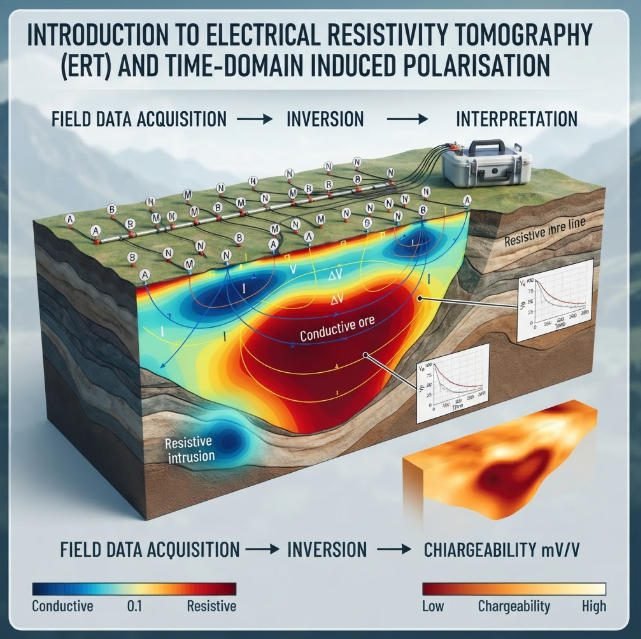
ERT & TDIP: Principles and Landfill 丨ERT and TDIP for Landfill Monitoring
Overview:Electrode arrays define how current enters the ground and how electrical potential differences are measured. Understanding Electrode Arrays helps survey teams design reliable Electrical Resistivity Tomography (ERT) investigations. This guide explains common configurations, geometric factors, depth sensitivity, and field limitations.…
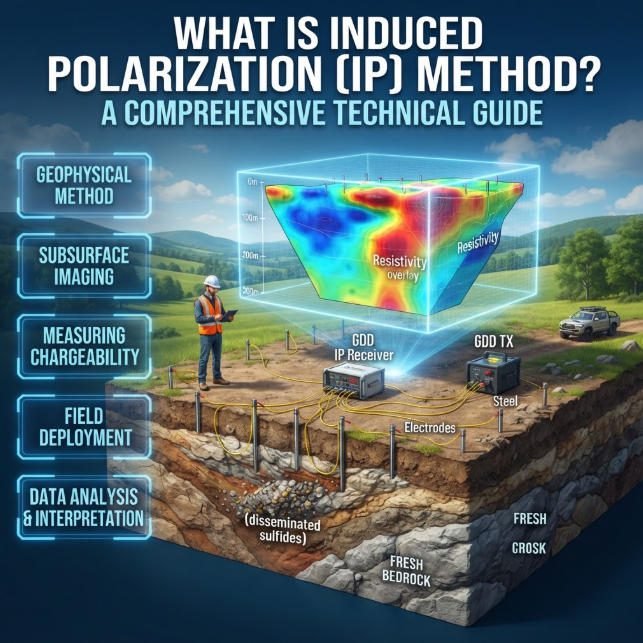
What is Induced Polarization (IP) Method? A Comprehensive Technical Guide
TIPS:This comprehensive technical guide explores the Induced Polarization method for non-destructive subsurface characterization across mining and environmental projects. It details how the Induced Polarization method quantifies chargeability contrasts, with focused analysis of measurement workflows and chargeability-based mineral discrimination for field…
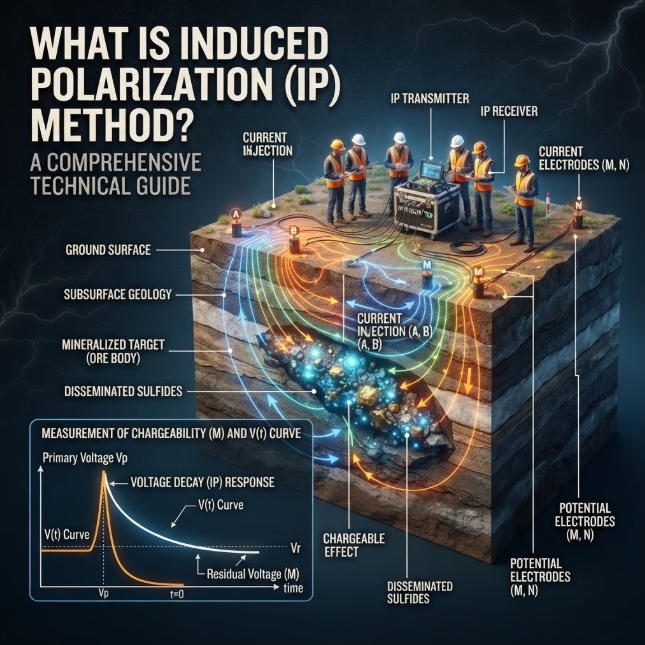
What is Induced Polarization (IP) Method? A Comprehensive Technical Guide
Overview:Induced Polarization reveals how subsurface materials temporarily store and release electrical charge after an applied field. The Induced Polarization response is commonly evaluated through chargeability and resistivity, making it valuable for mineral and hydrogeophysical investigations. This IP Method guide explains…