Welcome to Geotech!


Decoding Key Points for Selecting Geomagnetic Survey Equipment
TIPS: Master key points for selecting geomagnetic survey equipment—performance evaluation, application needs, cost – benefit analysis, and after – sales service. Make informed choices to ensure accurate, efficient surveys.
Ⅰ. Introduction to Geomagnetic Survey Equipment Selection
Choosing the right geomagnetic survey equipment is critical for accurate data collection in geophysics, resource exploration, and environmental monitoring. This guide breaks down the key factors—from performance evaluation to post – sales service—to help you make informed decisions tailored to your project needs.
Ⅱ. Selection Key Points of Geomagnetic Survey Equipment
2.1 Choosing Earth Magnetic Devices and Tips for Picking Geomagnetic Tools
Selection key points of geomagnetic survey equipment (choosing earth magnetic devices, tips for picking geomagnetic tools) start with understanding your project goals. For high – resolution archaeological surveys, compact, high – sensitivity magnetometers are ideal. In contrast, large – scale mineral exploration may require rugged, long – range devices.
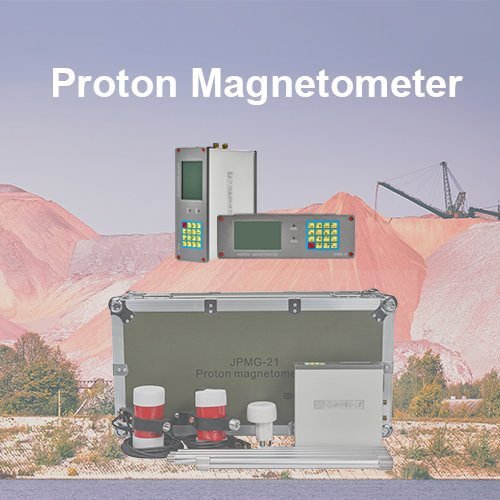
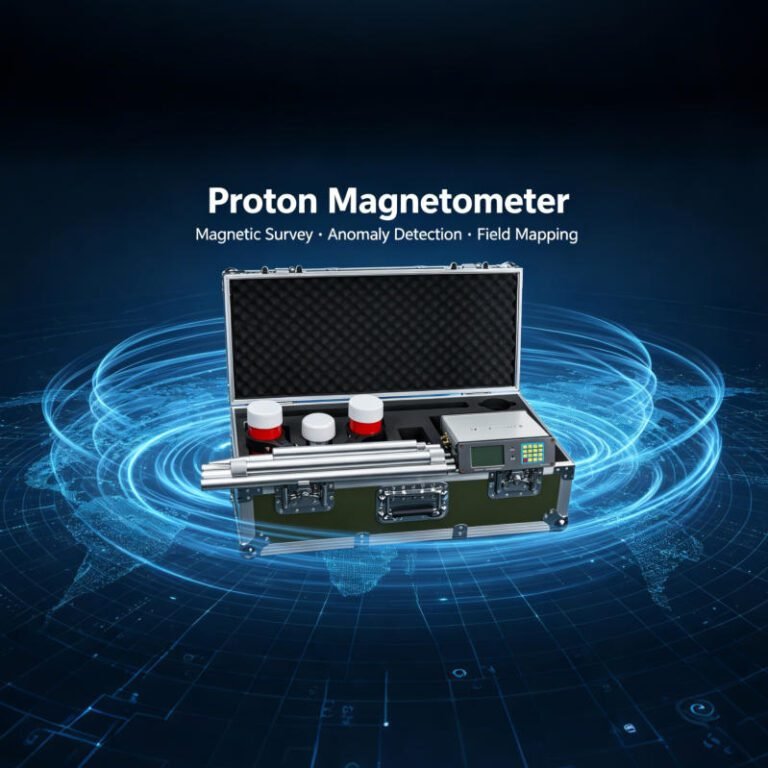
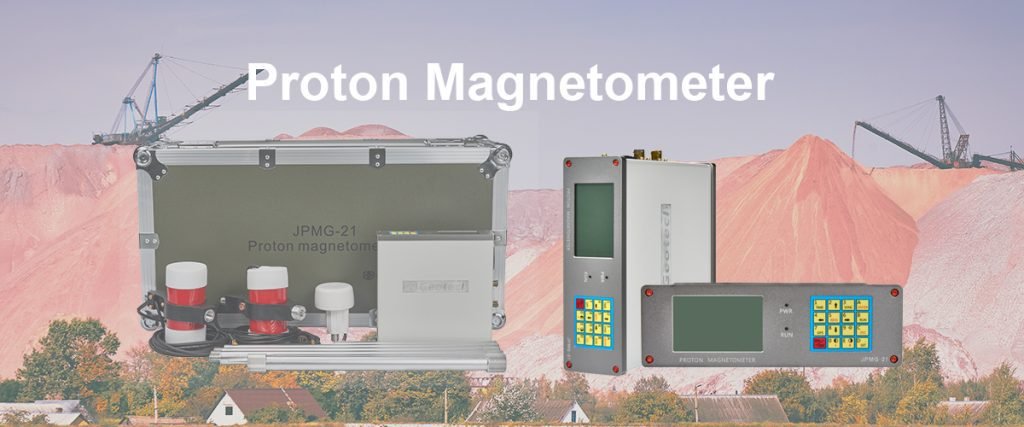
Consider sensor type: fluxgate magnetometers offer stability for baseline surveys, while gradiometers excel at detecting subtle anomalies. Matching the tool to the task ensures reliable results—e.g., using a proton precession magnetometer for deep – seated geological studies.
2.2 Aligning Equipment with Project Scope
Project scope dictates equipment choice. A short – term environmental monitoring project might prioritize portability and ease of use, while a multi – year mineral exploration program needs durable, high – precision tools. Assessing survey scale (local vs. regional) and terrain (urban vs. remote) helps narrow options, avoiding over – or under – spec’d equipment.
Ⅲ. Equipment Performance Evaluation
3.1 Assessing Device Capabilities and Judging Equipment Functionality
Equipment performance evaluation (assessing device capabilities, judging equipment functionality) involves testing sensitivity, accuracy, and reliability. For example, a magnetometer used in pipeline monitoring must detect small magnetic anomalies to identify corrosion or defects.
Evaluate specs like noise level (lower is better for faint signals) and sampling rate (higher for dynamic environments). Real – world testing—in conditions similar to your project—reveals how equipment performs under pressure, ensuring it meets your needs.
3.2 Balancing Performance and Practicality
While high – end features are appealing, balance them with practicality. A magnetometer with ultra – high sensitivity might be unnecessary (and costly) for a basic survey. Prioritize must – have functions (e.g., real – time data logging for time – sensitive projects) and avoid unnecessary complexity, keeping operations efficient and cost – effective.
Ⅳ. Application – Specific Requirements
4.1 Use – Case – Based Needs and Scenario – Oriented Demands
Application – specific requirements (use – case – based needs, scenario – oriented demands) ensure equipment fits your workflow. In marine surveys, waterproof, salt – resistant magnetometers are non – negotiable. For airborne surveys, lightweight, drone – compatible devices simplify deployment.
Consider data output: does the equipment integrate with your GIS software? Can it export data in usable formats? Aligning equipment with existing systems avoids post – processing headaches and speeds up analysis.
4.2 Customizing Solutions for Unique Challenges
Unique project challenges demand customized solutions. For example, surveying in areas with high electromagnetic interference (EMI) requires magnetometers with built – in noise cancellation. Collaborate with manufacturers to modify equipment—e.g., adding shielding or specialized sensors—to tackle site – specific issues.
Ⅴ. Cost – Benefit Analysis
5.1 Weighing Expense and Value and Evaluating Price and Advantage
Cost – benefit analysis (weighing expense and value, evaluating price and advantage) balances upfront costs with long – term value. A cheaper magnetometer might save money initially but cost more in repairs or inaccurate data. Calculate total cost of ownership (TCO), including maintenance, calibration, and training.
For example, a durable, mid – range magnetometer with low maintenance needs may offer better TCO than a high – end model with frequent repairs. Prioritize equipment that delivers consistent, reliable data to avoid costly rework.
5.2 Investing in Long – Term Value
View equipment as an investment in project success. Spending more on a reliable device reduces risks of data errors, delays, and safety issues. Consider financing options or leasing for expensive tools, ensuring you access top – tier equipment without upfront budget strain.
Ⅵ. After – Sales Service Considerations
6.1 Thinking About Post – Purchase Support and Factoring in After – Sales Service
After – sales service considerations (thinking about post – purchase support, factoring in after – sales service) ensure ongoing equipment reliability. Choose suppliers offering robust support—e.g., quick repair turnarounds, remote troubleshooting, and calibration services.
In remote fieldwork, 24/7 technical support is crucial. Ask about warranty coverage, training resources, and availability of replacement parts to minimize downtime and keep projects on track.
6.2 Building Relationships for Long – Term Success
Strong after – sales service builds trust and long – term partnerships. A supplier that offers post – purchase training or software updates demonstrates commitment to your success. These relationships become invaluable when scaling projects or upgrading equipment in the future.
Ⅶ. Case Studies: Successful Equipment Selection
7.1 Mineral Exploration Efficiency Boost
A mining company selected a rugged, high – sensitivity magnetometer for a remote exploration project. By prioritizing durability, accuracy, and post – sales support, they reduced survey time by 30% and identified a new mineral deposit, justifying the investment.
7.2 Environmental Monitoring Cost – Effectiveness
An environmental agency chose a portable, cost – effective magnetometer for wetland surveys. Its ease of use and compatibility with GIS software streamlined data analysis, delivering actionable insights within budget and time constraints.
Reference
- WIKI:https://en.wikipedia.org/wiki/Electrical_resistivity_tomography
- Society of Exploration Geophysicists (SEG) https://seg.org/
- Society of Environmental and Engineering Geophysicists (EEGS) https://www.eegs.org/
- Geology and Equipment Branch of China Mining Association http://www.chinamining.org.cn/
- International Union of Geological Sciences (IUGS) http://www.iugs.org/
- European Geological Survey Union (Eurogeosurveys) https://www.eurogeosurveys.org/